
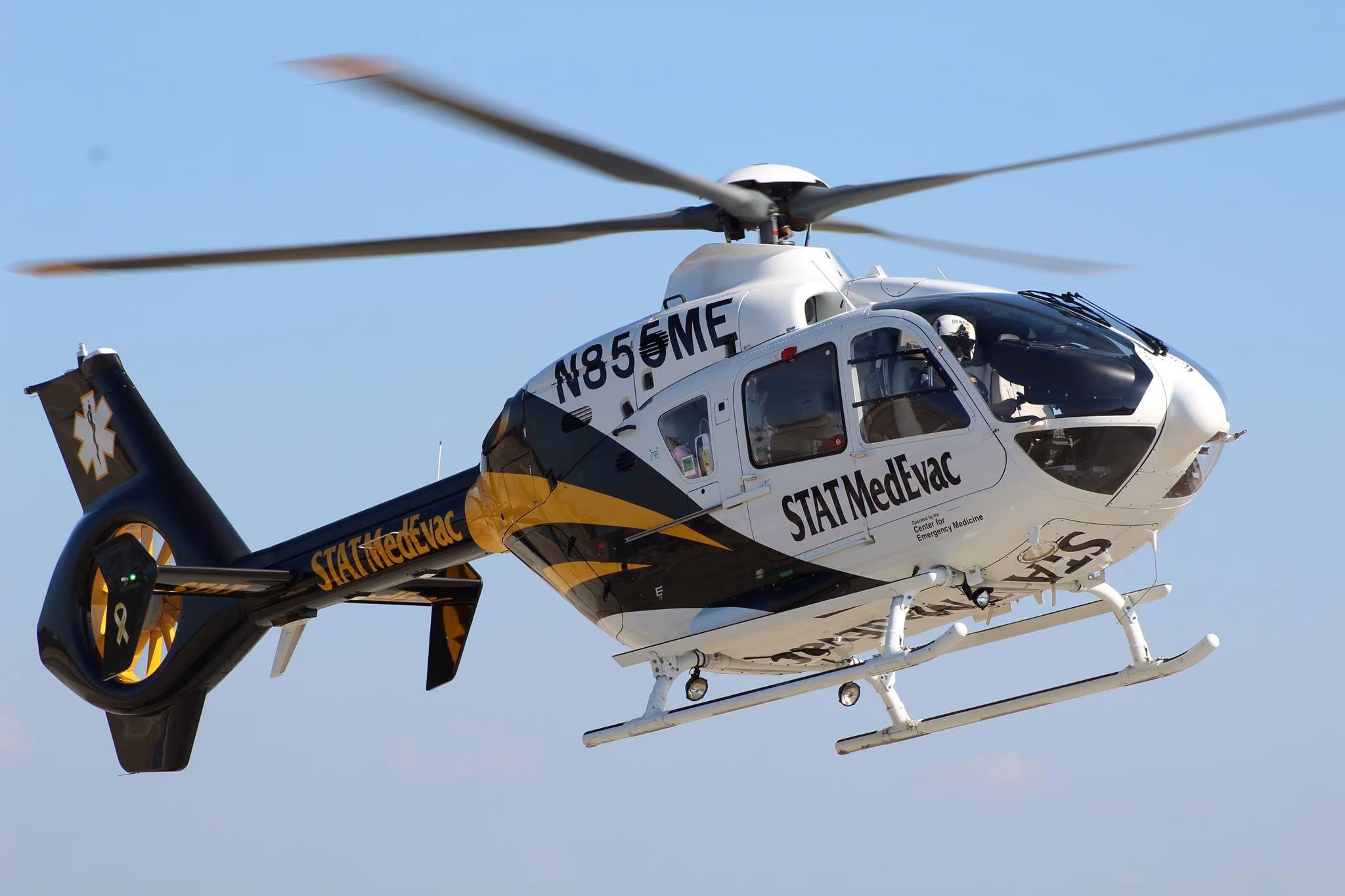
 Medical emergencies abroad become harder to manage during the European summer because hospitals, airports, insurers and transport providers are all working under peak-season pressure. If you are travelling with elderly relatives, children, a person with a known medical condition, or a group that needs a reliable backup plan, it is worth understanding medevac air ambulance options before you need them.
A summer holiday problem can move from stressful to serious very quickly. A fall in Mallorca, a cardiac episode in Nice, complications after surgery, or a road accident on the way to a villa can all create the same question: can the patient travel home safely, and if so, how?
What medevac means in practical terms
A medevac flight is a medically supported air transfer. It may involve a private aircraft configured with a stretcher, oxygen, monitoring equipment and trained medical staff. It may also include ground ambulances at both ends, so the patient is moved from hospital bed to aircraft and then to the receiving facility.
That “bed-to-bed” idea matters. A medical flight is not just a plane with extra space. It is a coordinated movement involving doctors, nurses, paramedics, aviation teams, hospitals, insurers, airport handling and sometimes immigration or customs clearance.
Aircraft Charter’s medevac air ambulance service is designed for this kind of situation, where speed matters but so does careful planning. The aim is not to rush blindly. The aim is to move the patient safely, with the right medical support and the right aircraft for the route.
Why summer in Europe adds extra pressure
European holiday routes become busier in June, July and August. Commercial airports are crowded, road transfers take longer, and local hospitals in tourist areas may be under more seasonal demand.
If you are in a major city, the options may be straightforward. If you are staying in a coastal resort, on an island, or several hours from the nearest major airport, the planning becomes more complicated. A patient may need stabilising locally before they can fly. A family member may need to coordinate insurance calls, medical records and transport while also dealing with the emotional stress of the situation.
This is where preparation helps. You do not need to assume the worst. But you should have a realistic plan, especially if someone in your party has a pre-existing condition or limited mobility.
What should you check before travelling?
Before a summer trip, check your travel insurance properly. Do not just confirm that you have a policy. Look for medical repatriation, emergency transport, pre-existing condition cover and the insurer’s 24-hour assistance number.
The UK GHIC or EHIC can help with access to state healthcare in some countries, but it does not replace travel insurance and does not cover being flown back to the UK for medical repatriation. That point catches people out. A card may help with treatment access, but it is not an air ambulance plan.
Here is a practical checklist.
| What to prepare | Why it matters | What to keep accessible |
|---|---|---|
| Travel insurance details | The insurer may need to approve repatriation | Policy number and emergency helpline |
| Medical summary | Flight teams need accurate clinical information | Diagnosis, medicines, allergies and recent notes |
| Passport and ID copies | International transfers can need fast checks | Digital and printed copies |
| Local hospital details | Bed-to-bed planning starts with the current location | Hospital name, ward, doctor and phone number |
| UK receiving care plan | Arrival needs to be coordinated | Hospital, consultant or GP contact |
| Family contact list | One person may need to lead communication | Names, numbers and relationship to patient |
When a medevac air ambulance may be needed
A medevac flight may be considered when commercial travel is unsafe, impractical or too stressful for the patient. This could include serious injury, post-surgical recovery, oxygen dependency, reduced mobility, neurological conditions, heart or respiratory issues, or a patient who cannot sit upright for a normal flight.
Aircraft Charter’s guide on private jet medevac for non-emergency medical transport explains a useful point: “non-emergency” does not mean low-risk. It may simply mean the patient is stable enough to move, but still needs medical supervision.
A standard charter may be suitable for some lower-risk cases with a nurse escort. A full air ambulance configuration may be needed when the patient requires a stretcher, monitoring, oxygen, medical equipment or a more controlled cabin environment. The right answer depends on clinical advice, not guesswork.
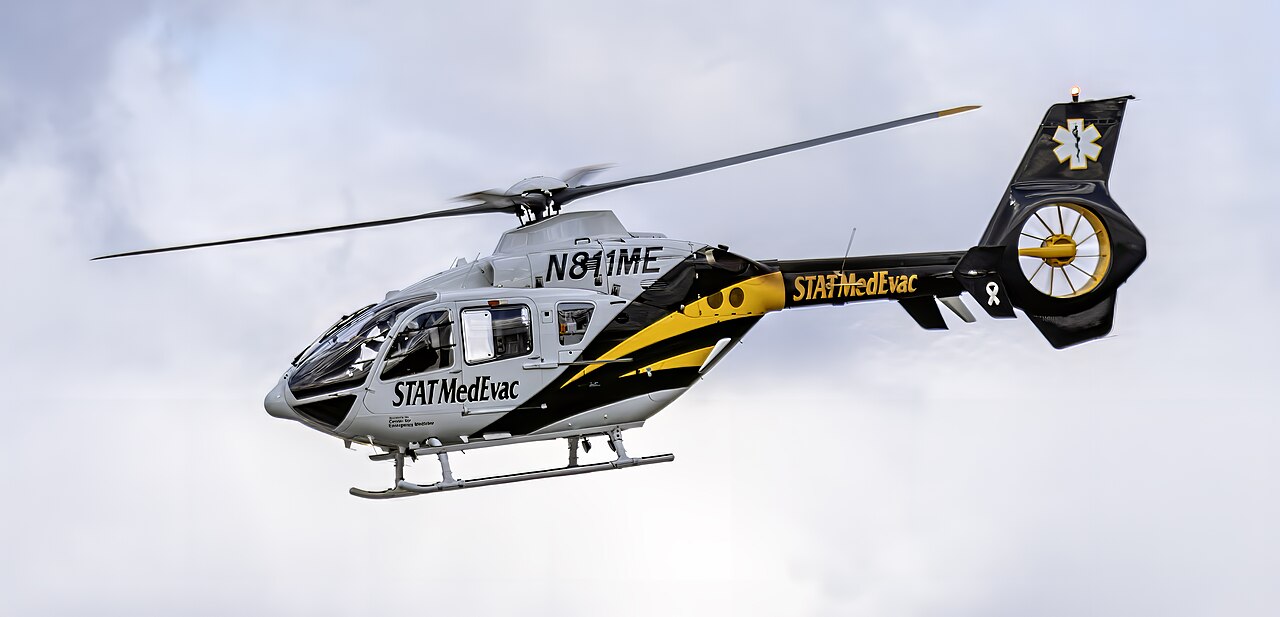 How a medevac flight is usually arranged
The first step is a medical assessment. The team needs to understand the patient’s condition, whether they can sit up, what equipment is required, whether oxygen is needed, and whether cabin pressure or flight duration creates any concern.
From there, the aircraft and route can be matched to the mission. You may need a smaller aircraft for a short European sector, or a larger jet if more cabin space, medical equipment or companion seating is needed. Aircraft options may include turboprop aircraft for shorter sectors, light jets for suitable regional routes, midsize jets for extra range and space, or large private jets where cabin layout and medical access matter more.
For longer transfers, ultra long range jets may be considered. Aircraft selection is not about luxury in this context. It is about patient access, range, crew, equipment and safe movement.
What happens on the day of the flight?
A typical medevac movement may involve a ground ambulance collecting the patient from a hospital, clinic, hotel or residence. The patient is transferred to the aircraft through a private terminal or secure ramp area, then handed over to the flight medical team.
Aircraft Charter’s article on what to expect during a medevac flight gives a clear picture of the process: medical review, mission routing, ambulance coordination, documentation and handovers. That is why it is better to start early. Even urgent missions need structure.
After landing, the receiving ground ambulance takes the patient to the next hospital, clinic or home care setting. Good coordination reduces waiting time, confusion and stress at the handover points.
How much could it cost?
Costs vary widely. Distance, aircraft type, medical crew, urgency, equipment, ground ambulance legs, airport charges and route complexity all matter.
For UK travellers, the wider point is simple. Medical repatriation can cost thousands of pounds, and in serious cases far more. GOV.UK gives examples of overseas medical incidents where treatment and possible repatriation can exceed £25,000 in Spain, £80,000 in Greece, and £150,000 in the USA. These are not medevac quotes from Aircraft Charter. They are useful reminders that travel medical costs can become significant very quickly.
If you are comparing budgets, read Aircraft Charter’s guide on private jet medevac costs and the general private jet charter costs page. A medical flight is priced differently from leisure travel, but route, aircraft and urgency still drive the final figure.
How this affects popular summer destinations
The Mediterranean is not one market. It is a mix of islands, coastal airports, resort towns, major hubs and seasonal bottlenecks. For example, private jet charter to Nice can be practical for the French Riviera, but road traffic around Monaco, Cannes and Saint-Tropez can make ground planning important.
For island trips, private jet hire Mallorca may involve different considerations from mainland Europe. Hospital location, ambulance timing and aircraft availability all matter. The same applies to long-haul summer travellers arranging private jet charter to Dubai, NYC private jet charter or private jet hire Miami, where distance and medical clearance become more important.
If your travel plans include family members moving between several locations, a private jet charter company can also help you think through non-medical travel around the patient transfer. That might include business jet charter for key decision-makers, group air charter flights for family or support teams, or crew movement where operational staff need to move quickly.
Do not confuse comfort travel with medical transport
This is an important distinction. A private jet can make travel calmer, quieter and more flexible, but that does not automatically make it a medical aircraft. If the passenger needs oxygen, monitoring, stretcher access or clinical support, the flight needs to be planned accordingly.
Sometimes a standard private flight may be enough. For example, a traveller recovering from a minor procedure may need privacy, fewer queues and a shorter airport experience. In other cases, the patient needs a properly equipped medical flight. If you are unsure, medical advice should lead the decision.
For related planning, Aircraft Charter’s pages on pet-friendly private jet charter, air taxi and helicopter charter may be useful where wider family logistics, remote access or short transfers are involved. These services should not be mixed up with medevac, but they can support the wider travel plan around a medical situation.
FAQs
What is a medevac flight?
A medevac flight is an aircraft transfer arranged for a patient who needs medical support during travel. It may include doctors, nurses, paramedics, oxygen, monitoring equipment, a stretcher and ground ambulance coordination at both ends of the journey.
Does travel insurance cover air ambulance repatriation?
Some policies include medical repatriation, but cover depends on the policy wording, medical necessity and insurer approval. You should check this before you travel, especially if you have pre-existing medical conditions or are planning higher-risk activities.
Does a GHIC or EHIC cover medical repatriation?
No. A UK GHIC or EHIC does not cover being flown back to the UK for medical repatriation. You should still have suitable travel and medical insurance for your trip.
Can family members travel on a medevac flight?
Often, yes, but it depends on the aircraft, patient condition, medical equipment and crew requirements. In some cases, 1 or 2 companions may be allowed. The medical team and operator will confirm what is safe and practical.
How quickly can a medevac air ambulance be arranged?
It depends on the route, patient condition, aircraft availability, medical staffing, paperwork and clearances. Some European missions can be arranged quickly, but it is always better to start the process as soon as the need becomes clear.
Speak to Aircraft Charter before the situation becomes urgent
Summer travel should still feel enjoyable, but good planning is not pessimistic. It is practical. If you are travelling with someone medically vulnerable, arranging a complex family trip, or reviewing contingency plans for European travel, Aircraft Charter can help you understand the aircraft, route, medical and operational options available.
Contact Aircraft Charter to discuss medevac air ambulance planning, private aircraft support or wider summer travel requirements before the pressure is already on.