
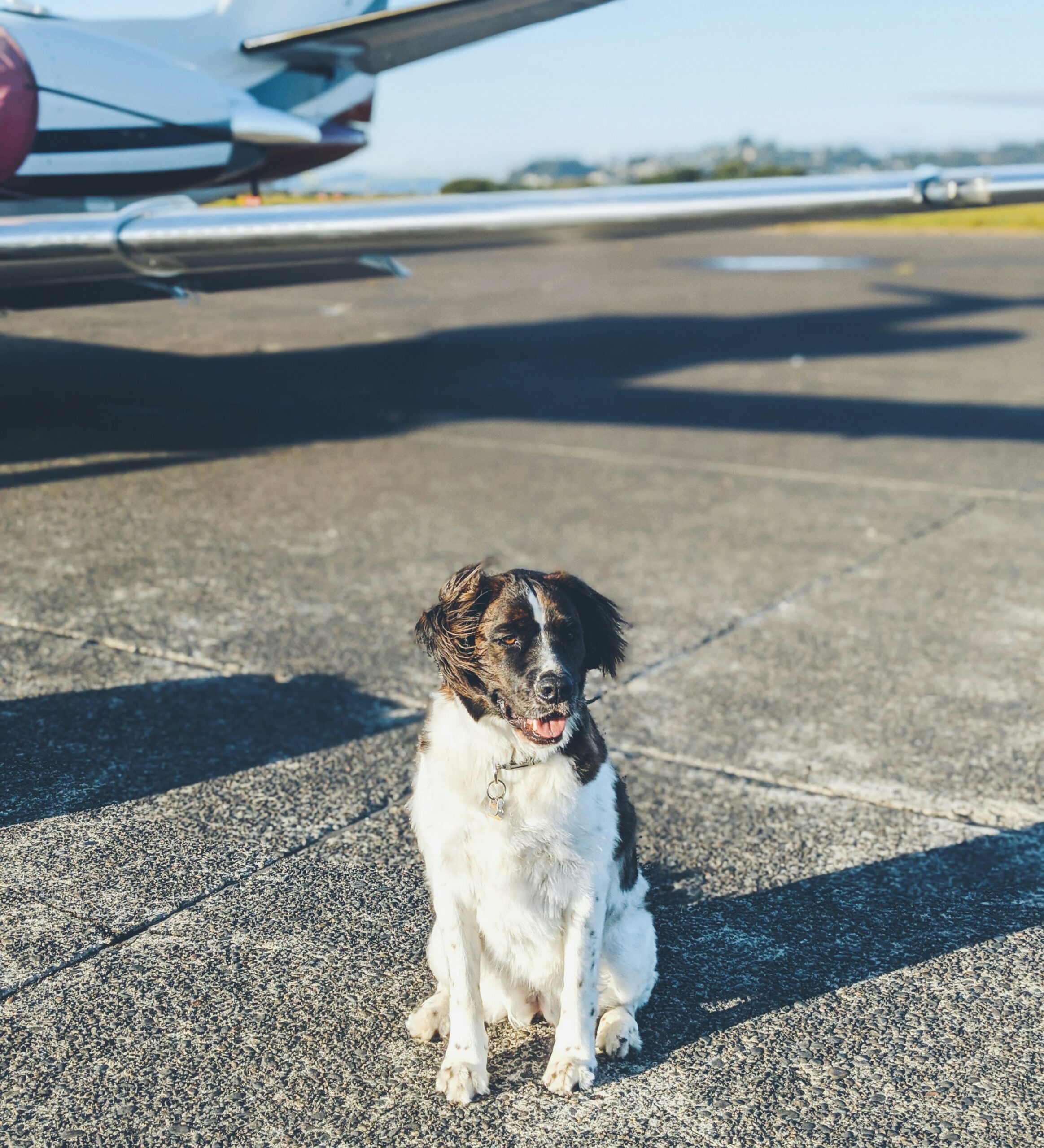
If you live in Great Britain and plan to take your dog or cat to the EU after 22 April 2026, you should not rely on an EU pet passport for entry. The safer route is to arrange an Animal Health Certificate before travel, check your pet’s microchip and rabies status, and confirm the entry rules for the country you are flying to.
Private aviation can make pet travel calmer and more flexible, but it does not remove border rules. Whether you are using private jet rental services for a family holiday, a relocation or a longer European stay, the paperwork needs to be planned before the aircraft.
What changed in April 2026?
The main change is that GB residents should no longer use EU pet passports to travel into the EU, even if the passport was issued in the EU before 22 April 2026. EU pet passports are now intended for people whose main home is in the EU, not UK residents who own holiday homes or visit seasonally.
For most UK-based owners travelling from England, Scotland or Wales to the EU with a dog, cat or ferret, this means getting an Animal Health Certificate, often called an AHC.
That may feel like a step backwards if you had become used to using an EU pet passport. It is still manageable, but it needs timing. You cannot sort it casually at the airport.
The key requirements at a glance
| Requirement | What you need to know |
|---|---|
| Microchip | Your pet must be microchipped before, or at the same time as, the rabies vaccination. |
| Rabies vaccination | Your pet must have a valid rabies vaccination and may need to wait at least 21 full days after the first vaccination. |
| Animal Health Certificate | Needed for most GB residents travelling to the EU with a dog, cat or ferret. |
| AHC entry window | Valid for entry into the EU for 10 days after issue. |
| Onward EU travel | Valid for up to 6 months for onward travel within the EU after entry. |
| Return to Great Britain | Valid for up to 6 months for re-entry to Great Britain, provided rabies cover remains valid. |
| Dogs and tapeworm | Some destinations require tapeworm treatment for dogs before travel. |
| Pet limit | Non-commercial travel into the EU is generally limited to 5 pets in a single private vehicle. |
Why private jet travel can help, but only if the paperwork is right
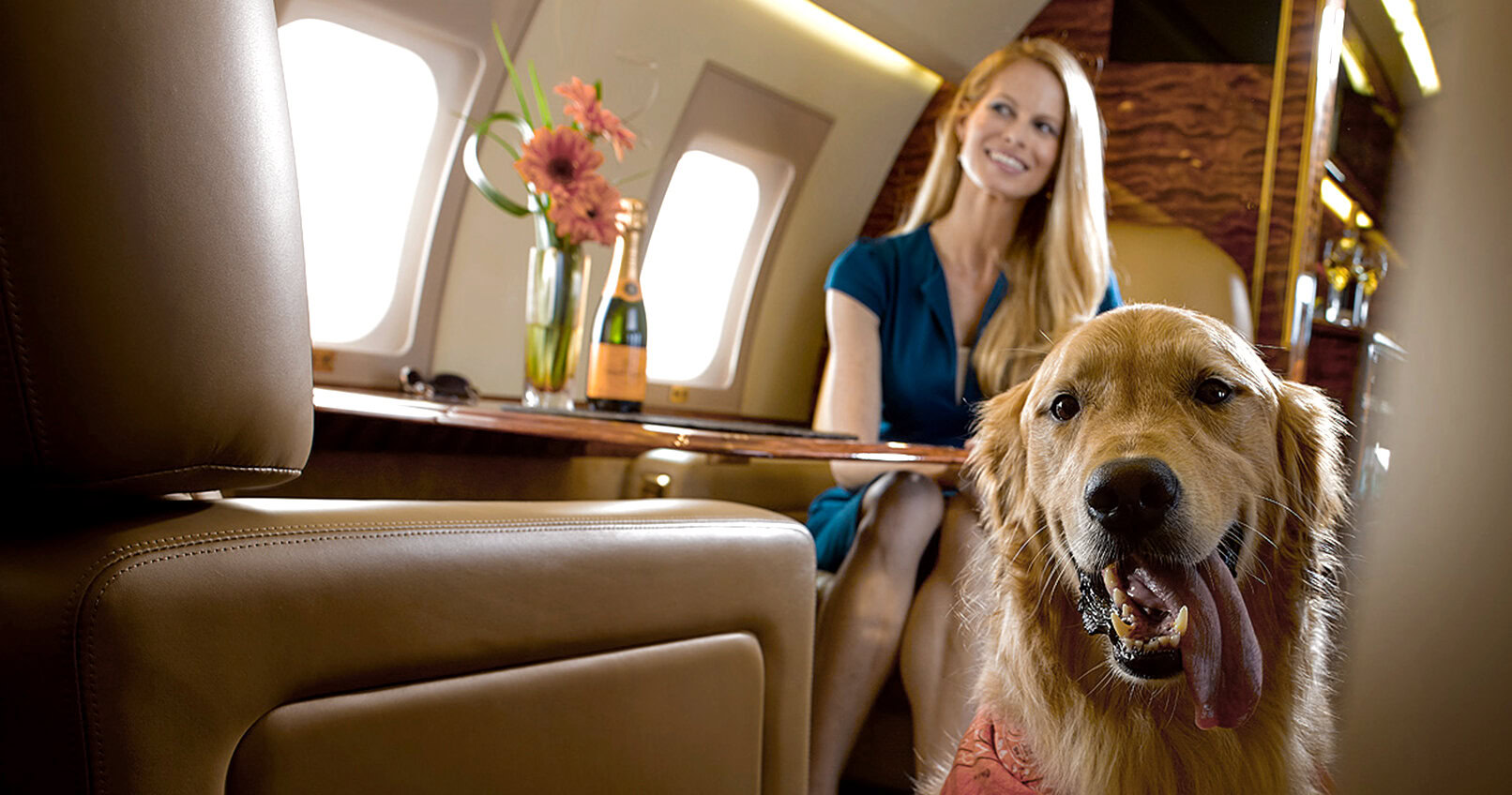
A private jet can make pet travel much less stressful. Your pet can usually stay close to you in the cabin, rather than being separated into cargo. You can also avoid busy passenger terminals, long queues and the uncertainty of commercial pet policies.
That is why Aircraft Charter’s pet-friendly private jet service is relevant for owners who want a calmer journey. The team can help coordinate routing, aircraft suitability and pet-related logistics, but the destination country’s rules still apply.
If your AHC is wrong, your rabies vaccination is out of date, or you arrive at the wrong entry point, a private jet will not fix the problem at the border. The aircraft can improve the journey. It cannot override official entry checks.
Timing your Animal Health Certificate
The AHC must be issued by an official veterinarian. You need to travel into the EU within 10 days of the certificate being issued, so timing the appointment matters.
A simple example helps. If your vet issues the AHC on 1 July, you can enter the EU up to and including 10 July. Once you have entered the EU, the certificate can support onward travel within the EU for up to 6 months, and re-entry to Great Britain for up to 6 months, as long as the rabies vaccination remains valid.
If your pet needs a first rabies vaccination, build in extra time. You may need to wait at least 21 full days after the vaccination before travel. Do not leave this until the week before your flight.
This is also where a practical guide such as Can you take pets on a private jet? can help you think beyond the paperwork and plan the actual journey.
Dogs may need extra tapeworm checks
Cats do not need tapeworm treatment under the same rules, but dogs may need it depending on the destination. Finland, Ireland, Malta, Northern Ireland and Norway are common examples where dogs usually need tapeworm treatment before entry.
The timing is specific. Treatment normally needs to be given by a vet not less than 24 hours and not more than 120 hours before scheduled entry.
If you are flying privately, this can be easier to plan because your schedule is more controlled. But it still needs to be logged correctly in the travel document.
Planning routes with pets in mind
Private jet travel with pets is not only about choosing the nearest airport. You need to think about approved points of entry, veterinary documentation, ground handling, cabin comfort and transfer time after landing.
For example, LA private jet rental may involve longer planning around US entry rules rather than EU rules. Plane charter services Dubai will also involve UAE-specific animal import requirements, which should be checked well before travel.
For leisure routes, the paperwork can feel less dramatic but is still important. If you want to fly private to Nice or arrange a private jet to Palma Mallorca, you are still entering the EU, so the AHC, rabies record and microchip details need to be correct.
The same applies if you plan to fly private to Las Vegas, book New York private jet rental, arrange a private jet charter from New York to Miami, fly private to Cape Town or fly private to Orlando. The specific rules change by country, but the principle is the same: aircraft planning and animal paperwork need to move together.
Choosing the right aircraft for a pet-friendly journey
The right aircraft depends on your pet, your route and your passengers. A nervous dog on a short European flight may need a different cabin setup from 2 cats travelling on a longer relocation route.
Aircraft choice should consider:
- Cabin space for your pet to settle.
- Noise, temperature and comfort.
- Take-off and landing arrangements.
- Whether the pet needs a carrier at certain points.
- Passenger numbers and luggage.
- Flight duration and onward ground transfer.
The guide on how to choose the right private jet is useful here because it encourages you to match the aircraft to the journey rather than simply choosing the largest cabin. For some trips, private jet rental will be enough. For more complex family or relocation travel, you may need a more tailored air charter services plan.
Cost and availability during peak travel periods
Pet-friendly aircraft should be arranged early, especially during the summer. You are not only booking seats. You are matching an aircraft, crew, pet policy, route, airport, paperwork and handling arrangements.
Peak-season demand can affect pricing, aircraft availability and airport slots. Aircraft Charter’s article on how seasonal demand affects private jet charter prices is worth reading if you are planning around school holidays or popular European routes.
You may also want to look at a guide to private jet charter costs before comparing quotes. Pet travel can add extra coordination, but the main costs still depend on aircraft type, flight time, positioning, airport charges, fuel, handling and timing.
What if someone else travels with your pet?
If the owner is not travelling with the pet, extra paperwork is needed. The pet must usually travel within 5 days of the owner, and the person accompanying the animal must carry written permission from the owner.
This matters for family offices, relocation assistants and staff helping with pet movements. If you are not on the aircraft yourself, do not assume the process is the same. Build the authorisation into the planning from the start.
For larger family movements, group air charter flights may help keep people, pets and luggage together. If the route involves a final short transfer, helicopter charter or air taxi services may sometimes reduce long ground journeys, although pets and paperwork should still be checked for the full route.
 A practical checklist before you book
Before you confirm a flight, make sure you have checked the essentials.
- Confirm whether your pet is travelling as non-commercial movement.
- Check your pet’s microchip details.
- Confirm rabies vaccination dates and booster status.
- Book an AHC appointment with an official veterinarian.
- Check whether your destination requires tapeworm treatment for dogs.
- Confirm the EU travellers’ point of entry.
- Tell the charter team about your pet’s size, temperament and needs.
- Ask what documents handlers or authorities may need to see.
- Keep copies of all paperwork with you on the day.
- Plan your vet timing around the flight date, not the other way around.
The sensible takeaway for UK pet owners
The April 2026 EU rule change does not make pet travel impossible. It does make casual planning riskier.
If you live in Great Britain and want to take your dog or cat to Europe, start with the paperwork. Once the microchip, rabies vaccination, AHC timing and destination checks are clear, private aviation can make the journey much calmer.
Aircraft Charter can help you plan pet-friendly private jet travel around your route, aircraft, airport and timing needs. Speak to the team early, especially if you are travelling during summer, relocating abroad or taking a nervous pet on its first flight.
FAQs
Can UK residents still use an EU pet passport after April 2026?
If you live in England, Scotland or Wales, you should not rely on an EU pet passport to enter the EU with your pet after 22 April 2026. You should arrange an Animal Health Certificate before travelling.
How long is an Animal Health Certificate valid for EU travel?
An Animal Health Certificate is valid for entry into the EU for 10 days after it is issued. After entry, it can support onward travel within the EU for up to 6 months and re-entry to Great Britain for up to 6 months, provided rabies cover remains valid.
Can dogs and cats travel in the cabin on a private jet?
In many private jet arrangements, pets can travel in the cabin with you, which can reduce stress compared with cargo travel. The exact setup depends on the aircraft, operator rules, destination requirements and your pet’s size and behaviour.
Do dogs need tapeworm treatment before travelling to the EU?
Dogs need tapeworm treatment before entry into some countries, including Finland, Ireland, Malta, Northern Ireland and Norway. The treatment usually needs to be given by a vet between 24 and 120 hours before scheduled entry.
How early should you plan private jet travel with pets?
You should start planning as soon as your travel dates are likely. Vet appointments, rabies timing, AHC issue windows, aircraft choice and airport handling all need to line up, especially during peak summer travel periods.