

Private jets vary widely in size and capacity, from small light jets that seat around 4 to 6 passengers to larger models that can carry up to 19 people comfortably.

If you’re planning to travel with a group on a private jet, knowing how many people can fit onboard is key to choosing the right aircraft. Private jets vary widely in size and capacity, from small light jets that seat around 4 to 6 passengers to larger models that can carry up to 19 people comfortably. Understanding these differences helps you pick a jet that fits your group without compromising space or comfort.
Your group size will influence the type of jet you need. Smaller jets work well for quick trips with fewer passengers, while bigger jets offer more room and amenities for longer flights or larger groups. Whether you have a team of eight or a party of sixteen, there’s a private jet type designed to meet your needs.
Choosing the right jet isn’t just about the number of seats—factors like flight distance and comfort requirements matter too. Learning the basics of private jet categories will give you confidence in selecting the best option for your group’s travel plans. For more details on capacities and jet types, check out capacity insights on group private jets.
Knowing how many people can fly on a group charter private jet depends on factors like the aircraft itself, regulatory rules, and the paperwork needed. These details affect how many passengers you can bring safely and legally.
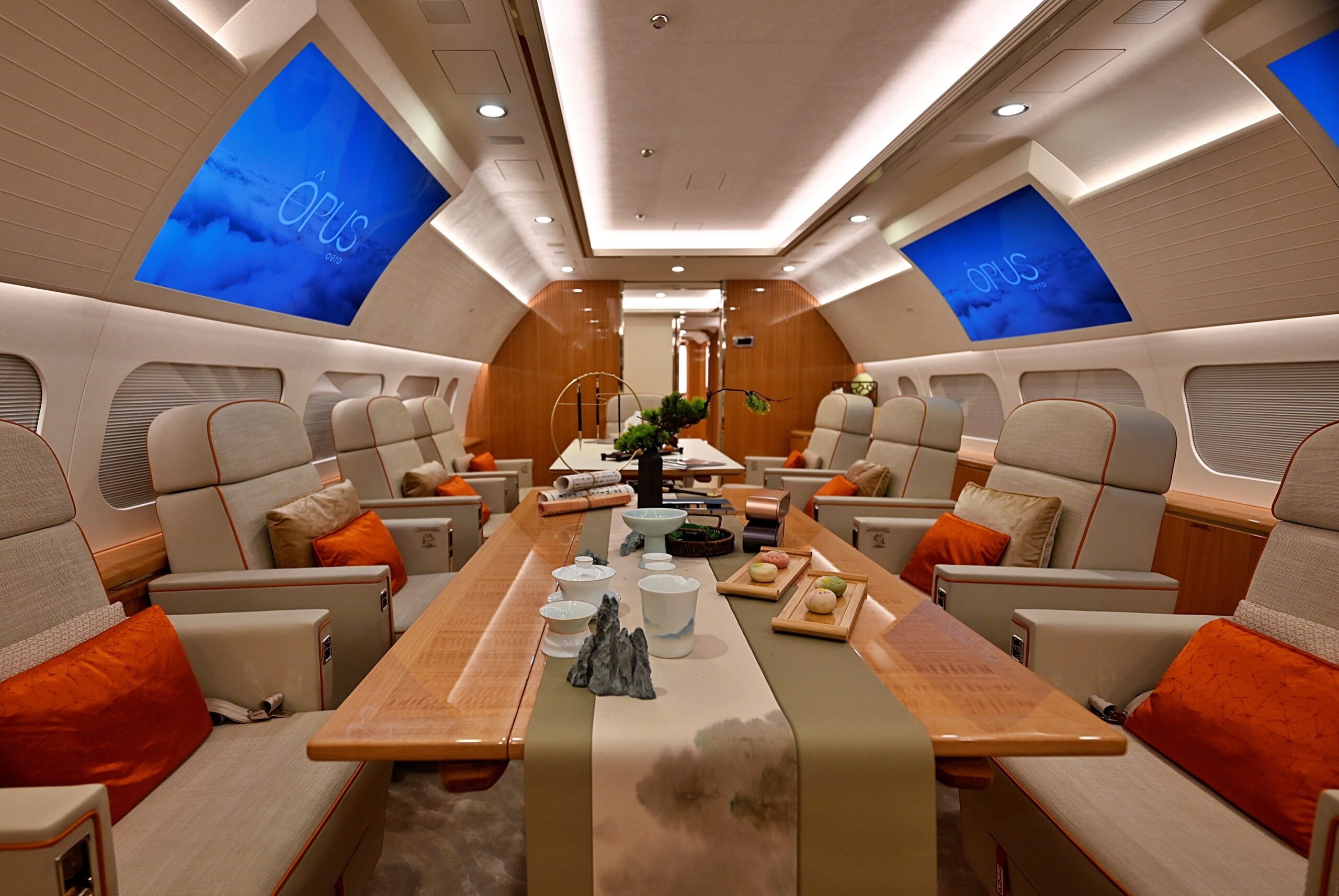
The size and design of the jet largely decide how many people it can carry. Mid-sized jets usually hold between 7 and 10 passengers, while larger jets can seat up to 19. Seating arrangements, cabin layout, and safety equipment also set limits.
Weight capacity matters too. Jets must balance passengers, luggage, and fuel to stay within safe limits. This is why a jet’s range and comfort features might change how many passengers fit on board.
You should consider the duration of the flight and the needs of your group. For example, longer flights may require more space for comfort, reducing possible passenger numbers.
Aviation authorities regulate passenger limits to keep flights safe and efficient. These agencies inspect jets and approve how many seats are legally allowed.
They enforce rules on safety gear, emergency exits, and crew numbers. Your aircraft must meet these regulations before carrying passengers.
Authorities also review maintenance records and pilot certifications. If your jet doesn’t comply, it might lose its permission to carry certain numbers of people.
Following these standards protects you and your group during the flight by ensuring the aircraft is fit for use.
Before you fly, documentation must prove the jet meets passenger and safety requirements. This includes the aircraft’s certificate of airworthiness, which confirms it’s safe.
You also need a certificate of registration showing who owns the plane. Some jurisdictions require additional paperwork for group charters, like special permits.
Pilots and crew must have valid licenses, and their flight hours are tracked. Insurance documents must cover all passengers.
Checking these documents before booking prevents issues and guarantees your charter complies with legal and safety rules.
For more about aircraft seating and capacity, see details on Group Charter Aircraft Capacity.
When choosing a group charter private jet, understanding the size and type of aircraft is key. Different jets offer varied seating capacities, ranges, and onboard features that affect comfort and convenience. The right choice depends on your group size, the distance you need to fly, and your budget.
Light jets usually carry 6 to 8 passengers comfortably. They are best for short to medium flights with fewer people. These jets provide quick and efficient travel but with less space and fewer amenities. Examples include the Learjet 60, known for its speed and agility.
Midsize jets can seat 8 to 10 passengers. They offer more room and better range, ideal for longer trips. These jets balance comfort, speed, and cost. They often have small galleys and more legroom, making them suitable for business groups or family travel.
Turboprops are smaller aircraft that use propellers instead of jets. They usually hold 4 to 8 people and are good for short flights or landing at smaller airports. They are slower than jets but can access remote locations where jets cannot.
Business aircraft often overlap with midsize jets but can include specialized planes like light jets or turboprops tailored for corporate travel. They focus on productive onboard environments with workspaces and connectivity while ensuring privacy and comfort.
The Hawker 800 is a midsize jet that typically seats 8 passengers. It’s known for a roomy cabin and good baggage space. The jet offers smooth rides on medium to long flights, making it popular for business and leisure travel.
The Bombardier Learjet 60 is a light jet with about 6 seats. It excels in speed and ability to land at smaller airports. This makes it a great choice if you want a faster trip with a smaller group and flexible destination options.
For more details on jet categories and amenities, you can visit the types of private jets guide or the categories of private jets and their amenities.
Your comfort during a group charter flight depends on how seats are arranged and the amenities available onboard. Seating varies by jet size, while amenities like storage and washrooms impact convenience on longer trips.
You need enough luggage space for your group’s bags and gear. Smaller jets, such as Very Light Jets (VLJs), usually offer limited luggage capacity. Typically, you can expect storage for 1-2 suitcases per passenger.
Mid-size and heavy jets provide larger storage areas. These jets often have dedicated compartments inside or in external bays. This allows you to bring more luggage without crowding the cabin. Check the jet’s luggage weight limits, as some aircraft restrict the total pounds or kilograms you can carry.
Having good storage helps avoid delays during boarding and disembarking. It also keeps your cabin tidy and more comfortable. If you travel with bulky items like sports equipment, request details on storage before booking. For more about seating and capacity, visit this guide on private jet seating capacity.
A washroom with WC facilities is important for flights lasting more than an hour. Most mid-size and heavy jets include at least one lavatory onboard. These can range from basic compact designs to fully enclosed spaces with running water.
On smaller jets, washrooms may be shared with crew or sometimes not available, which affects comfort on longer flights. Jets designed for longer trips tend to have more spacious washrooms with sinks and toilet paper, improving hygiene.
Having an onboard WC lets you fly at higher altitudes without needing unscheduled stops. This is useful for trips covering several hundred to thousands of miles. Always confirm the availability and size of the washroom when choosing your jet, especially for group charters. For details on private jet features, see private jet classifications and capabilities.
When arranging a group charter on a private jet, several operational factors affect your experience and safety. These include managing the aircraft properly, understanding insurance terms, and ensuring the crew is sufficiently trained. Paying attention to these details helps avoid delays and unexpected costs.
You must keep the aircraft in top condition to ensure safe and smooth flights. Aircraft management includes scheduling routine inspections, repairs, and servicing. Maintenance checks follow strict timelines based on hours flown and calendar dates to prevent mechanical failures.
You’ll want a professional management company if you don’t own the plane. They handle everything, from coordinating ground services to keeping maintenance records. This also includes managing depreciation, which affects the aircraft’s value over time.
Proper management means your jet meets all operational standards. This prevents cancellations, delays, and costly emergency repairs during your charter.
Your charter should include comprehensive insurance coverage for passengers, crew, and the aircraft itself. Insurance protects against accidents, damage, or third-party liabilities. Ask for policies that cover various scenarios, including weather-related issues or unexpected mechanical faults.
Safety protocols are strictly followed to meet aviation authority regulations. This includes regular drills, safety briefings, and pre-flight checks. The operator must comply with both international and local rules to maintain certification.
You should verify the provider’s safety record and insurance policies before booking. This ensures you fly with an operator committed to risk management and passenger protection.
The crew’s training level directly impacts your flight quality. Pilots and cabin staff undergo rigorous certifications specific to the aircraft type and flight conditions. Recurrent training ensures they stay updated on new procedures and emergency handling.
Experienced crew members know how to manage your group’s needs efficiently. They handle everything from customized service to safety during the flight. Regulatory bodies also set minimum rest periods to prevent crew fatigue.
Make sure your charter provider employs fully qualified crew members with documented training. This protects your investment and enhances your overall travel experience.
For capacity details on private jets suitable for groups, review options for aircraft holding up to 19 passengers.
When arranging a private aviation flight, you’ll focus on finding the right charter company, understanding pricing methods, and selecting extra services such as catering. Each step affects your experience and cost. Knowing key details helps you make clear choices and avoid surprises.
Start by researching charter companies or operators with strong reputations and safety records. Check for certifications like ARGUS or Wyvern, which show they meet industry safety standards. Reliable operators must have well-maintained aircraft and experienced crews.
Look at the type of jets they offer and their passenger limits to match your group size. Transparency about pricing and contract terms is crucial. Ask about cancellation policies and whether they handle all airport fees. Direct communication and customer service responsiveness often reflect how well they’ll manage your flight.
Many charter companies offer online price calculators for quick cost estimates. These tools let you enter your trip details, like departure airport, destination, jet size, and flight hours. The calculator then gives a base price, usually covering the aircraft, crew, and fuel.
Keep in mind, calculators may exclude extras like catering, landing fees, or overnight charges. Prices can also vary based on demand and aircraft availability. Use these estimates for planning, but confirm final quotes directly with the operator to avoid unexpected costs or restrictions.
Charter flight prices vary by jet size and flight time. For example:
Jet TypePassenger CapacityApproximate Hourly CostLight Jet4-8$3,000 to $4,500Midsize Jet7-8$3,500 to $6,000Super Midsize Jet8-9$4,000 to $7,000
Fractional ownership lets you buy a share in an aircraft for a fixed number of hours per year. This can reduce costs if you fly frequently. You also get access to higher-class aircraft and more flexible scheduling. However, it requires upfront investment and ongoing fees.
Private charters often include catering options tailored to your preferences. You can request anything from snacks to full gourmet meals prepared fresh before your flight. Make sure to specify dietary needs when you book.
Beyond food, many charter companies offer extra services like ground transportation, Wi-Fi onboard, and in-flight entertainment. Confirm what is included upfront to avoid additional charges. Good customer service focuses on customizing your experience to meet your schedule and comfort needs.
Scegli il settore noleggio di aeromobili per viaggi esecutivi di lusso. Scopri i servizi di charter, esplora noleggio jet privato, disporre viaggio in jet privato di gruppo, oppure semplificare la logistica con voli charter merci.
Salva con tratta vuota voli charter per viaggi di sola andata. Trova le offerte, esplora opzioni di destinazione, libro servizi di taxi aereo, disporre voli in elicottero privato, oppure affidarsi a evacuazione medica aeroambulanza soluzioni.
Ottieni un preventivo in tempo reale facendo clic sul pulsante ‘Ottieni preventivo in tempo reale’ e compilando il modulo. Un nostro incaricato ti contatterà per discutere le tue esigenze di noleggio aereo.
I viaggiatori di jet privati di lusso traggono vantaggio da strumenti digitali che semplificano la pianificazione e offrono un servizio personalizzato. L'uso di app intelligenti e piattaforme centralizzate contribuisce a garantire un'esperienza senza intoppi. Questi strumenti uniscono la praticità a opzioni su misura, rendendo il viaggio più efficiente e piacevole.
Le app mobili progettate per iOS e Android consentono ai viaggiatori di gestire voli, preferenze e servizi dai propri telefoni. Queste app includono spesso funzionalità come aggiornamenti in tempo reale, modifiche all'itinerario e consigli personalizzati basati sui dati degli utenti.
Le Progressive Web App (PWA) migliorano l'accessibilità funzionando su qualsiasi dispositivo senza installazione. Offrono tempi di caricamento rapidi e funzioni offline, ideali per i viaggiatori che potrebbero non avere sempre una forte connessione a internet. Sia le app mobili native che le PWA migliorano il coinvolgimento offrendo interfacce user-friendly e opzioni personalizzate, favorendo un migliore processo decisionale durante il viaggio.
I sistemi digitali centralizzati raccolgono e organizzano tutte le informazioni di viaggio in un unico luogo. Queste piattaforme offrono ai viaggiatori e agli operatori una panoramica di prenotazioni, preferenze, programmi fedeltà e richieste speciali.
I siti web collegati a questi sistemi offrono un facile accesso alla gestione degli account e a dashboard informative. Aiutano a ridurre gli errori sincronizzando più punti di dati, assicurando che ogni dettaglio soddisfi le esigenze del viaggiatore. I sistemi centralizzati migliorano inoltre la comunicazione tra i fornitori di servizi, creando un'esperienza senza interruzioni dalla prenotazione all'arrivo.
L'integrazione di app mobili e siti web con le piattaforme di prenotazione e servizi semplifica l'intero processo di viaggio di lusso. Ciò include la sincronizzazione con voli in jet privato, servizi di catering, trasporti terrestri e comfort speciali.
Tale integrazione automatizza le attività di routine come la scelta del posto a sedere e le preferenze sui pasti, facendo risparmiare tempo ai viaggiatori. Consente inoltre aggiornamenti e modifiche facili tramite un'unica interfaccia, il che migliora il servizio clienti. Collegando queste piattaforme, le aziende offrono un'esperienza di viaggio più personalizzata e reattiva che si adatta agli orari e alle preferenze di ciascun viaggiatore.
L'intelligenza artificiale aumenta i ricavi e migliora la finanza perfezionando le strategie di prezzo. Semplifica i flussi di lavoro operativi e la logistica. Aiuta anche a prevedere la domanda dei clienti e ad allocare le risorse in modo intelligente.
L'intelligenza artificiale utilizza dati come le tendenze dei voli, il comportamento dei clienti e i prezzi della concorrenza per impostare prezzi dinamici. Ciò consente alle compagnie di jet privati di adeguare le tariffe in tempo reale per soddisfare la domanda e massimizzare i guadagni.
Il prezzo dinamico aiuta a catturare più entrate durante i momenti di punta e ad attrarre clienti durante i periodi di bassa domanda con offerte migliori. Riduce l'impostazione manuale dei prezzi, facendo risparmiando tempo e riducendo gli errori.
Analizzando i modelli di prenotazione e le preferenze dei clienti, l'intelligenza artificiale può identificare opportunità di upsell, come l'offerta di servizi premium o voli più lunghi. Ciò aumenta il ricavo medio per cliente senza uno sforzo aggiuntivo.
L'intelligenza artificiale automatizza molte attività di routine nelle operazioni di jet privati. Pianifica gli equipaggi, gestisce gli avvisi di manutenzione e coordina i servizi di terra in modo efficiente.
Grazie all’integrazione di dati meteorologici, normative di volo e opzioni di rotta, l’intelligenza artificiale contribuisce a ottimizzare le traiettorie di volo e a ridurre al minimo i ritardi. Ciò consente di ridurre i costi del carburante e migliorare la puntualità dei voli.
L'automazione riduce anche l'errore umano nei flussi di lavoro. Il personale si concentra su attività ad alto valore mentre l'IA gestisce la logistica. Ciò migliora l'efficienza operativa e la soddisfazione del cliente rendendo i processi più fluidi.
L'intelligenza artificiale prevede la domanda futura dei voli utilizzando dati storici, tendenze di prenotazione e segnali di mercato. Previsioni accurate aiutano le aziende a pianificare meglio l'utilizzo della flotta e i turni del personale.
Un'allocazione intelligente delle risorse significa che gli aerei e gli equipaggi vengono assegnati dove ce n'è più bisogno. Ciò riduce i tempi di inattività e taglia le spese superflue.
La previsione supporta anche la finanza aiutando a stimare i ricavi futuri e a creare budget migliori. Offre alle aziende una visione più chiara della crescita potenziale o dei rallentamenti.
Ulteriori dettagli sull'impatto dell'IA sull'efficienza del settore dei jet privati sono reperibili nell'articolo su come l'IA sta trasformando il processo di prenotazione dei jet privati.
Il settore dei viaggi in jet privato sta evolvendo, ponendo sempre maggiore attenzione alle opzioni eco-sostenibili, alla fidelizzazione dei clienti e alle nuove modalità di trasporto. Questi aspetti determinano il modo in cui l’aviazione privata si evolve per soddisfare le moderne esigenze di efficienza, esclusività e sostenibilità.
Gli operatori di jet privati stanno investendo in velivoli ecologici che migliorano l'efficienza dei consumi. Alcuni jet raggiungono un risparmio di carburante fino al 20%, riducendo significativamente le emissioni rispetto ai modelli più vecchi.
Inoltre, i programmi a zero emissioni di carbonio stanno diventando più comuni. Questi programmi compensano le emissioni attraverso investimenti in energia rinnovabile o progetti di Rimboschimento.
I produttori e gli operatori esplorano anche carburanti sostenibili e rotte di volo migliori per ridurre l'impatto ambientale. Questo sforzo contribuisce a ridurre l'impronta di carbonio dei voli privati senza perdere la comodità o il lusso che i passeggeri si aspettano.
I programmi fedeltà nell'aviazione privata si concentrano su qualcosa di più dei semplici chilometri volati. Offrono vantaggi esclusivi come l'accesso anticipato a velivoli di prima classe, servizi personalizzati e pianificazione prioritaria.
Questi programmi premiano i frequent flyer con upgrade, esperienze personalizzate e talvolta l'accesso a terminal privati negli aeroporti. L'obiettivo è costruire relazioni a lungo termine fornendo una comodità e un valore senza pari.
Promuovendo la fedeltà, gli operatori incentivano la ripetizione degli affari e mantengono forti flussi di entrate. Questo approccio personalizzato migliora la soddisfazione del cliente e consolida la fiducia dei clienti.
Tra i nuovi modelli di mobilità aerea figurano i velivoli elettrici a decollo e atterraggio verticale (eVTOL) e altri veicoli innovativi progettati per coprire in modo efficiente brevi distanze.
Queste tecnologie promettono di integrarsi con i tradizionali viaggi in jet privato, offrendo collegamenti rapidi tra i centri cittadini e gli aeroporti. Ciò contribuisce a ridurre i tempi di viaggio e la congestione aeroportuale.
Compagnie aeree e operatori privati stanno esplorando partnership con le startup per integrare questi veicoli nella loro offerta. Il futuro dei voli privati potrebbe combinare i jet tradizionali con queste nuove opzioni di mobilità per una maggiore flessibilità e accessibilità.
Scegli il settore noleggio di aeromobili per viaggi esecutivi di lusso. Scopri i servizi di charter, esplora noleggio jet privato, disporre viaggio in jet privato di gruppo, oppure semplificare la logistica con voli charter merci.
Salva con tratta vuota voli charter per viaggi di sola andata. Trova le offerte, esplora opzioni di destinazione, libro servizi di taxi aereo, disporre voli in elicottero privato, oppure affidarsi a evacuazione medica aeroambulanza soluzioni.

Volare alle Hawaii con un jet privato offre un'esperienza di viaggio senza eguali, che unisce comfort, privacy e flessibilità. Che tu sia diretto a Honolulu, Maui o alla Big Island, un jet privato ti permette di evitare lunghe code ai controlli di sicurezza, terminal affollati e orari scomodi. Invece, scegli tu l'orario di partenza, l'aeroporto e i servizi a bordo.
Dalle spaziose cabine e dal catering personalizzato alle viste mozzafiato sul Pacifico, ogni parte del viaggio è su misura per le vostre esigenze. I voli privati offrono anche un accesso diretto ai piccoli aeroporti hawaiani, portandovi più vicino alla tua destinazione finale.
Che tu stia pianificare una fuga romantica, una vacanza in famiglia o un soggiorno di lusso, volare con un jet privato ti garantisce di arrivare in paradiso rilassato e rigenerato. Con Aircraft Charter, l’esperienza non inizia all’atterraggio, ma nel momento stesso in cui sali a bordo. Scopri un modo più intelligente e lussuoso di viaggiare alle Hawaii secondo i tuoi tempi.