
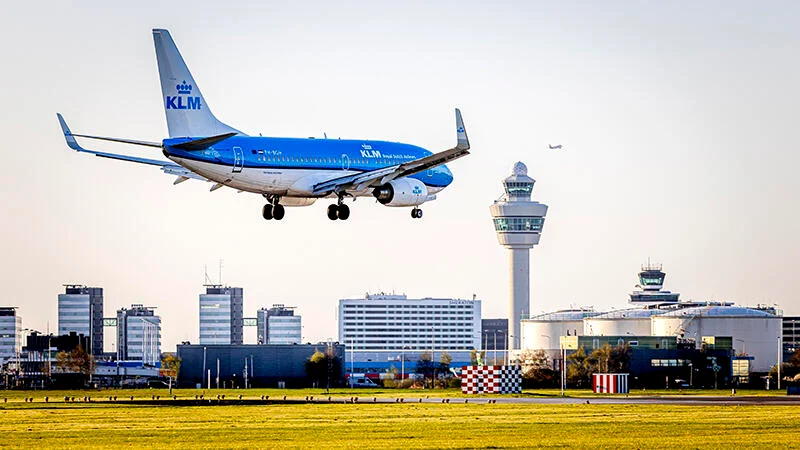
 Yes, airport noise restrictions can reduce the hours available for private flights in Europe. The practical effect is usually local rather than continent-wide. There is no single European curfew covering every airport, but individual airports can restrict night movements, require special slots, penalise noisier aircraft or close during certain hours. When using private jet rental services, you therefore need to check both the departure and arrival airport before treating a proposed time as firm.
The European Union’s aircraft noise framework follows what is known as the Balanced Approach. Airports and national authorities are expected to consider quieter aircraft, land-use planning and different operating procedures before introducing restrictions. Restrictions should be evidence-based, proportionate and considered alongside safety, capacity and cost.
The framework itself is being reviewed. In January 2026, the European Commission launched an evaluation of Regulation (EU) No 598/2014. That does not mean a Europe-wide private jet ban is planned. It does show that airport noise remains an active regulatory issue.
What can a noise restriction look like?
Noise controls are not limited to complete airport closures. An airport may technically remain open while becoming difficult or expensive to use at night.
| Type of restriction | Possible effect on your flight |
|---|---|
| Full or partial curfew | No routine arrival or departure during set hours |
| Movement limit | Only a fixed number of flights may operate during the restricted period |
| Noise quota | Noisier aircraft use more of the airport’s permitted noise allowance |
| Night-slot requirement | Your aircraft cannot operate without an allocated night slot |
| Aircraft restriction | Older or noisier aircraft may be prohibited or heavily limited |
| Higher night charges | The flight remains possible but airport costs increase |
| Runway or route rules | The aircraft may need to use a particular runway or procedure |
The articles on global private aviation regulations, rising environmental standards and the environmental impact of private aviation provide useful context. Noise, emissions and local planning are connected, but they are governed through different rules.
Current restrictions already affect flight planning
The UK has retained movement and noise quota limits at Heathrow, Gatwick and Stansted from October 2025 to October 2028. The night quota period runs from 23:30 to 06:00.
The seasonal movement limits include 2,550 winter and 3,250 summer movements at Heathrow, 3,250 winter and 11,200 summer movements at Gatwick, and 5,600 winter and 8,100 summer movements at Stansted. These limits cover all qualifying operations, rather than setting aside capacity specifically for private jets.
At Amsterdam Schiphol, an aircraft needs an allocated night slot to take off or land between 23:00 and 07:00, except in limited circumstances such as force majeure. Schiphol also reports that night flights became around 1.5 to 2 times more expensive after new charges were introduced in April 2025.
This illustrates an important point. Restrictions may reduce practical operating access before they produce a complete curfew. You might still be able to fly, but not at the time, cost or airport originally requested.
Long-haul journeys are particularly exposed
Noise restrictions matter when crossing several time zones. A delay of 90 minutes can push an arrival into a night quota period, and an aircraft may then have to wait, divert or use another airport.
For example, a private jet from London to Dubai needs an arrival time that works with local airport access and crew-duty limits. The same principle applies to a private jet charter from London to New York or a private jet from London to Cape Town.
You also need to check both ends when you fly private to LA, use Las Vegas jet charter services, fly private to Miami or arrange a private aircraft charter in Chicago.
European leisure routes are not exempt. A late flight on a private jet to the French Riviera or plans to fly private to Mallorca may be affected by airport hours, seasonal slots, parking pressure and local noise procedures.
 A quieter aircraft may give you more options
Aircraft selection can influence access and cost. Airports often classify aircraft according to certified noise performance, with noisier types receiving higher quota values or charges.
This does not mean that the smallest jet is always the quietest or most suitable. Range, payload, runway performance and weather still matter. The guides to choosing the right private jet, sustainable private aviation technology and green aviation developments towards 2030 explain why aircraft generation and engine technology matter alongside cabin size.
Your broker may compare a light jet, midsize jet, super-midsize jet or long-range aircraft. The correct choice is the aircraft that can complete the mission while meeting airport, payload and noise requirements.
Secondary airports can protect the itinerary
When the preferred airport has a curfew or no night slot, another airport may preserve the journey. That could mean a longer road transfer, a higher positioning charge or different customs arrangements.
The guidance on secondary European airports, European commercial airport delays, summer disruption in Europe and flexible regional airport travel can help you assess that trade-off.
Airport capacity can also change through infrastructure and policy decisions. The articles on Heathrow expansion and the UK Civil Aviation Bill show why you should not assume that today’s access arrangements will remain unchanged indefinitely.
Include noise rules in the quotation
Ask for a quotation in £ that reflects realistic airport access. It should account for airport charges, night supplements, positioning, parking, ground transport and a workable alternative if the preferred arrival becomes unavailable.
Read the guidance on seasonal charter pricing, APD and fuel volatility, UK Air Passenger Duty and European jet-fuel pressures before comparing prices.
An empty-leg flight can reduce cost, but it offers less resilience when airport hours are tight. Advice for PAs and family offices and business leaders using charter is especially relevant where a missed arrival would affect several meetings.
Technology may improve routing and disruption management, as explained in the guide to AI-powered flight planning. It cannot override a legal curfew or create a night slot that is not available.
FAQs
Can private jets fly at night in Europe?
Yes, but airport-specific rules apply. Some airports operate throughout the night, while others have curfews, movement limits, noise quotas or night-slot requirements.
Do airport curfews apply to private jets?
Usually, yes. A private flight does not automatically receive an exemption. Emergency, medical, government or disrupted flights may receive special treatment under local rules.
Are newer private jets quieter?
Newer aircraft are generally designed to meet stricter noise standards, but performance varies by aircraft and engine. The airport uses the aircraft’s certified noise classification rather than its age alone.
Can a private jet land after an airport closes?
Only where local rules permit an exemption or dispensation. Otherwise, the aircraft may need to wait, reschedule or divert to another airport.
Will European noise restrictions become stricter?
Further restrictions are possible, but changes are likely to remain airport-specific. The European Commission’s 2026 evaluation is reviewing how the existing Balanced Approach works, not imposing an immediate continent-wide curfew.
Plan around the usable hours
Airport opening hours do not always show the full picture. Slots, noise quotas, aircraft classification and local procedures can narrow the practical operating window. You should confirm those points before relying on a late-night or early-morning flight.
You can also review how to choose a more sustainable charter provider and what the June SAF consultation could mean for charter costs.
Contact Aircraft Charter to compare suitable aircraft, airport operating limits and alternative routes for your next European flight.