Discover how private jet group charters offer sports teams the ultimate in comfort, speed, and privacy. Learn how tailored flights enhance performance and simplify logistics.

When you are responsible for moving a sports team, the flight is not simply a way to get from one city to another. It is part of the preparation process. A badly timed journey can reduce rest, complicate recovery and leave players, coaches and support staff arriving under unnecessary pressure.
A well-planned aircraft charter gives you more control over the schedule, route and experience on board. Instead of fitting your team around a commercial airline timetable, you can build the journey around training, fixtures, media duties and recovery needs.
For professional clubs, national squads, university teams and specialist sporting groups, a grupo aircraft charter can keep everyone together while reducing the disruption that often comes with scheduled travel. You can also plan for equipment, nutrition, security and last-minute itinerary changes before the team reaches the airport.
Competitive sport is often decided by small margins. Travel will not win the match for you, but poor travel planning can create avoidable problems.
Commercial flights may require your group to arrive several hours before departure. Players can spend long periods waiting in busy terminals, moving through queues or sitting apart across different sections of the aircraft. Connections add another layer of risk, particularly when you are travelling with specialist baggage or working to a fixed match schedule.
A private group charter gives you a more direct and controlled alternative. Your team can usually travel through a private or dedicated terminal, board together and depart at a time chosen around the wider itinerary.
This can be especially useful when you have an evening fixture followed by an early departure, a tightly scheduled tournament or an away match in a destination with limited scheduled flights.
The greatest advantage of chartering is not the appearance of the aircraft. It is control.
You can choose departure times that fit training sessions, post-match recovery and hotel check-in arrangements. You may also be able to use airports that are closer to the stadium, training base or final destination.
This can reduce time spent on the road and help you avoid unnecessary overnight stays. For example, a team finishing a late fixture may be able to fly home shortly afterwards rather than waiting for the first suitable commercial service the next morning.
Your charter specialist can review available airports, operating hours, runway requirements, parking arrangements and slot restrictions before recommending the route. The destination guides can also help you begin comparing airport options for frequently visited cities.
A sports delegation may include far more than the starting squad. You could be travelling with coaches, analysts, physiotherapists, doctors, nutritionists, media staff, security personnel and senior club representatives.
Trying to move all these people on scheduled services can mean splitting the group across several flights. That creates more administration and increases the chance of delayed arrivals, missed connections or separated baggage.
With a charter, you can keep the core travelling party together. Everyone receives the same departure information, arrives at the same terminal and reaches the destination at roughly the same time.
For smaller groups, a aluguer de jato privado may provide the right balance of flexibility and cabin comfort. For larger squads, the focus may shift towards regional jets, larger cabin aircraft or full-size airliners.
Sports teams often need privacy for practical reasons. Players may need to rest, discuss tactics or receive treatment without being observed by members of the public. Coaches may want to hold a briefing, while senior staff may need to discuss selection, contracts or operational matters.
A private aircraft gives your group exclusive use of the cabin. You are not sharing the space with other passengers, and you can manage access to the travelling party more carefully.
Private terminals can also reduce exposure to busy public areas. This may be important when you are travelling with high-profile athletes, moving after a major result or expecting significant media attention.
The right cabin can help players arrive in better condition, especially after long journeys or a demanding run of fixtures.
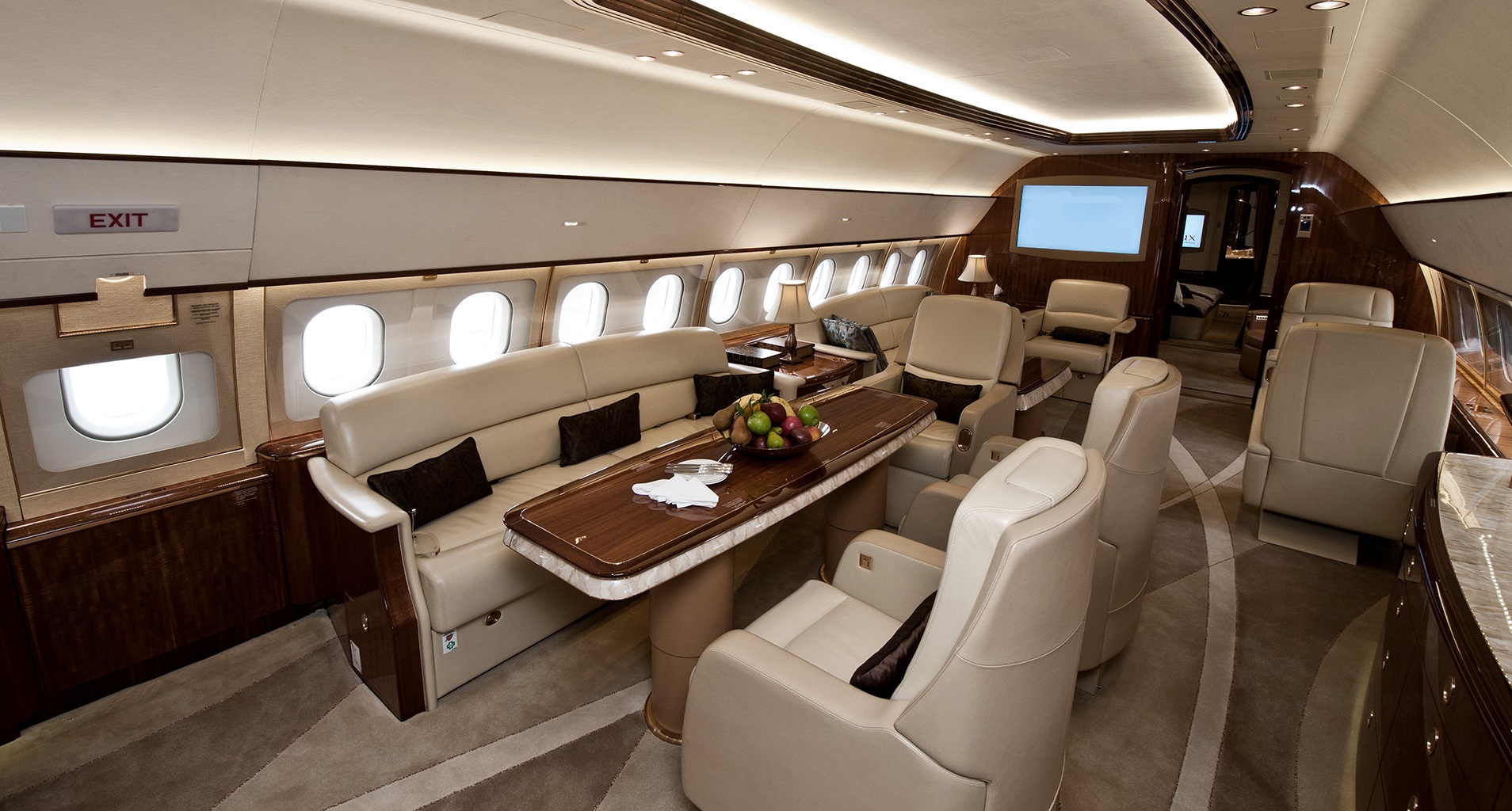
When comparing Opções de aeronaves, you should look beyond the number of passenger seats. Seat pitch, cabin height, aisle space, luggage capacity and the number of usable rest areas can all affect the experience.
Your requirements may include:
Seating that allows taller players to travel comfortably
Space for players to sit near medical or coaching staff
Suitable storage for personal luggage and team equipment
Catering designed around the team’s nutrition plan
Cabin zones for rest, meetings or treatment
Reliable power and connectivity for analysts and staff
Accessible boarding arrangements for injured players
You should explain these needs during the initial enquiry. Aircraft within the same broad category can have different interiors, baggage limits and facilities.
For medium or larger groups, jatos privados grandes may offer more generous cabin space. When the route is intercontinental, ultra long-range jets can reduce the need for fuel stops and provide a cabin better suited to longer periods in the air.
There is no single aircraft type that suits every sports charter. The right choice depends on passenger numbers, route length, baggage, airport access and the level of comfort required.
| Aircraft option | Often suitable for | Main planning considerations |
|---|---|---|
| Turboprop or regional aircraft | Short routes and smaller squads | Runway access, cabin size and baggage space |
| Large cabin jet | Senior players, coaches and smaller professional teams | Seat layout, range and luggage capacity |
| Regional or narrow-body airliner | Full squads with support staff | Group seating, equipment loading and airport handling |
| Wide-body or VIP-configured airliner | Large delegations and long-haul travel | Cabin zones, catering, crew requirements and ground logistics |
A full-size charter airliner can be appropriate when you need to move a large squad, extensive support staff and significant equipment on the same service.
For a smaller travelling party, booking an aircraft that is too large can add cost without delivering meaningful benefits. Booking one that is too small may create problems with seating, baggage or comfort.
A good charter plan balances operational suitability with budget. It should not simply select the most impressive aircraft available.
Sports travel often involves bulky, fragile or unusually shaped equipment. Standard passenger baggage assumptions may not be suitable.
Depending on the sport, you may need to transport:
Medical and physiotherapy cases
Training equipment
Bikes and wheel cases
Golf bags
Goalkeeping or protective equipment
Team kit trunks
Video analysis equipment
Recovery systems
Sponsor or media materials
You should provide an accurate baggage list as early as possible. Include dimensions and weights for oversized items, not just the number of cases.
Some equipment can travel in the hold of the passenger aircraft. Other items may require specialist loading arrangements or separate transport. Where the volume is substantial, an air freight charter may support the main passenger movement.
This can be useful for motorsport, cycling, sailing and touring sports where the equipment requirement is much larger than normal passenger baggage.
It is better to identify a capacity issue during planning than at the airport. Photographs, packing lists and equipment dimensions can help the charter team assess the correct solution.
Team catering should be planned around performance requirements rather than treated as a standard luxury menu.
You may want meals approved by the club nutritionist, clearly labelled portions, specific carbohydrate and protein options or controlled access to snacks. Allergies, religious requirements and individual dietary plans should be provided in advance.
For a short flight, light meals and hydration may be enough. Longer sectors may require several meal services timed around the team’s routine.
Catering availability can vary by airport and aircraft. Complex requests are easier to arrange when they are submitted early and confirmed in writing.
The aircraft is only one part of the journey. A team can save time in the air and then lose it again through poorly organised ground transport.
Your plan should connect the training base, departure terminal, arrival airport, hotel and venue. Vehicle capacity needs to account for passengers, personal luggage and team equipment.
In cities with severe traffic or venues located away from major airports, an air taxi service may provide a useful connection for smaller groups. A Fretamento de helicópteros may also be considered for selected routes where suitable landing facilities and operating conditions are available.
Obtenha um orçamento em tempo real instantaneamente, clicando no botão ‘Obter orçamento em tempo real’ e preenchendo o formulário. Um dos nossos representantes entrará em contacto consigo para discutir as suas necessidades em matéria de aircraft charter.
Not every member of the organisation needs to travel on the same aircraft.
An advance group may need to arrive earlier to inspect facilities, prepare equipment or coordinate with the host venue. Senior executives, sponsors or media teams may also work to a different schedule.
A aluguer de jato executivo can support smaller groups travelling separately from the main squad. This allows the principal team aircraft to remain focused on players and essential staff.
Aircraft Charter’s crew movement service can also help when specialist personnel need to move between several cities during a tournament or tour.
Sport schedules can change with little notice. Matches may run late, competitions can be rescheduled and knockout fixtures may not be confirmed until the previous round is complete.
Your charter plan should allow for this uncertainty.
Ask how schedule changes are handled and whether extra airport charges could apply. Crew duty limits are especially important after late fixtures. Even when an aircraft is ready, the operating crew must remain within legal working limits.
Contingency planning should cover late finishes, extra time, squad changes, airport restrictions, delayed equipment and possible overnight stops.
The person managing the trip should also know who is authorised to approve a revised departure time, alternative airport or additional expense. This can prevent delays when a decision needs to be made quickly.
The cost depends on the aircraft, route, passenger numbers, positioning, airport fees, ground handling, catering and seasonal demand.
You should compare the total cost of the journey, not just the aircraft price. Commercial travel may appear cheaper on a per-seat basis, but the wider calculation can change when you include hotels, connections, multiple transfers, excess baggage, staff time and the operational effect of a poor schedule.
The private jet charter cost guide explains the main factors that can affect a quote. Sports charters can require additional services, so you should request a detailed breakdown.
A clear quotation should confirm what is included and what could change if the itinerary is amended. Booking early can improve aircraft choice, but the cheapest option is not automatically the best value.
The aircraft must still have the correct range, seating, luggage space and airport performance for the journey. Selecting an unsuitable aircraft to reduce the initial quote may create greater costs later.
A structured briefing helps your charter provider source the right aircraft quickly.
Start with the following information:
Confirm the departure and destination cities
Provide preferred dates and realistic time windows
State the passenger number and possible changes
Separate players, staff, executives and other guests
List baggage, kit and oversized equipment
Explain catering and hydration requirements
Identify injured passengers or accessibility needs
Provide preferred airports where known
Confirm ground transport requirements
Highlight privacy, branding or security concerns
Explain the fixture schedule and possible delays
Name the person authorised to approve changes
Once the brief is clear, the final itinerary should be shared with team operations, medical staff, security and ground transport providers.
Passenger names and documentation should be collected early. International journeys may require passports, visas or other entry documentation, depending on the route and nationalities involved.
Equipment information should be checked again before departure. A late change to the number of kit trunks, bikes or medical cases could affect loading arrangements.
Book as early as the fixture schedule allows. Major events and peak travel periods can reduce availability, while early planning gives you more time to confirm baggage, catering, airport slots and transfers.
Knockout fixtures may require provisional planning before the participating teams are confirmed. Your charter specialist can assess likely routes and aircraft availability while you wait for the final result.
It may be possible, but airport opening hours, slots, ground travel time and crew duty limits must be checked. Extra time and delays should be built into the plan.
The airport closest to the venue may not always be the best choice for a late departure. A slightly longer road transfer could provide access to an airport with more suitable operating hours.
Often it can, provided the hold and loading access are suitable. Supply accurate dimensions and weights for large items. Very bulky loads may need a separate cargo solution.
The available layout depends on the aircraft. You can request seating zones, suitable catering, space for medical staff and areas for rest or meetings. These requirements should be discussed before the aircraft is selected.
No. It can work for university teams, academies, amateur clubs, governing bodies and supporter groups. Suitability depends on group size, route and timetable.
A charter may be particularly useful when scheduled flights cannot accommodate the whole group or when the destination is difficult to reach without connections.
Yes. Multi-city charters can support tournaments, tours and consecutive away fixtures. The aircraft may remain with the group, or different aircraft may be used for individual sectors, depending on availability and cost.
A successful sports charter should make the journey simpler for everyone involved. You gain more control over timings, privacy, equipment and passenger coordination, while the players can focus on preparation and recovery.
Desde serviços de aircraft charter até à logística, nós tratamos de tudo. Explore jatos privados, organizar viagem em jato privado em grupo, voe eficientemente com vochos executivos, ou gerir envios com soluções de frete Aéreo.
Voe para destinos de excelência com soluções de fretamento à medida. Explorar locais, livro táxi aéreo aviões, seguro serviços de voo de helicóptero, plano servicos de evacuação médica aereos, ou maximize as poupanças com voo de reposicionamento vazio voos em jato privado.
Touch down at Valencia Airport (VLC) via private jet, using the airport’s VIP FBO lounge for quick disembarkation and refreshments. A private vehicle whisks you to a luxury villa or 5-star hotel near Buñol.
Day 1 (Arrival – Tuesday):
Relax with a sunset dinner at Ricard Camarena Restaurant and enjoy wine tastings in the surrounding Valencia region.
Day 2 (Festival Day – Wednesday):
Don your throwaway clothes and prepare for La Tomatina. Your group has access to a private VIP viewing balcony stocked with drinks, towels, and protective gear. After the tomato madness, freshen up in a reserved luxury suite before a hosted paella lunch.
Day 3 (Recovery – Thursday):
Unwind at a beachfront spa or explore Valencia’s old town. End your trip with a private yacht dinner along the Mediterranean coast.
Day 4 (Departure – Friday):
Your driver returns you to VLC for a stress-free jet departure with inflight Spanish tapas and champagne.