
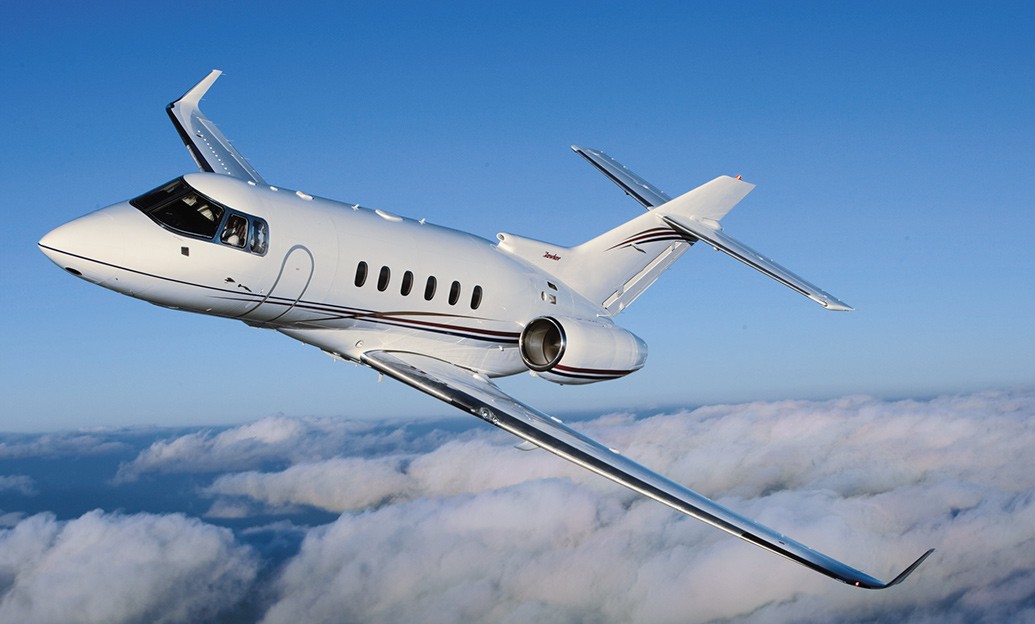
Owning a private jet in 2025 is a significant financial commitment that goes beyond the price tag of the aircraft itself.

Owning a private jet in 2026 gives you control over your schedule, privacy and access to airports that may not be served by commercial airlines. However, the purchase price is only the beginning. Crew, fuel, maintenance, insurance, storage and depreciation can add several million pounds to your total cost over the aircraft’s lifetime.
A small pre-owned aircraft may appear affordable compared with a new long-range jet, but its maintenance requirements can make the overall financial picture less attractive. You therefore need to consider your routes, passenger numbers, annual flying hours and expected ownership period before buying.
For many travellers, arranging an aircraft through Flugzeugcharter offers similar convenience without the financial exposure of owning the asset. Before making a decision, it is worth comparing full ownership with charter, fractional ownership and leasing.
All figures in this guide are broad estimates. Actual expenses depend on the aircraft, location, market conditions, fuel prices, financing arrangements and how you operate the jet.
Private jet purchase prices vary considerably. At the lower end, an older pre-owned light aircraft may be available for less than £1 million. At the other end of the market, a new ultra-long-range aircraft with a customised interior can cost more than £60 million.
A basic overview of the market looks like this:
| Aircraft category | Indicative purchase price | Indicative annual operating budget at 200 hours |
|---|---|---|
| Turboprop or very light aircraft | £1 million to £7 million | £500,000 to £1 million |
| Light jet | £3 million to £12 million | £700,000 to £1.4 million |
| Midsize or super-midsize jet | £8 million to £30 million | £1.2 million to £2.8 million |
| Large or ultra-long-range jet | £25 million to over £60 million | £2 million to over £5 million |
These figures combine broad fixed and variable operating estimates. They do not include financing, depreciation, corporation-specific tax liabilities or an unusually expensive maintenance event.
You can compare different Flugzeugoptionen to understand how cabin size, range, runway performance and passenger capacity change the cost.
Buying a new jet gives you the latest avionics, improved fuel efficiency, a manufacturer’s warranty and the ability to choose your interior. You are also less likely to face an immediate major inspection.
The disadvantage is the initial price. You may also experience a significant fall in market value during the first few years of ownership.
A pre-owned aircraft requires less capital, but its age alone does not tell you whether it represents good value. You need to examine:
Maintenance records and inspection history
Engine and auxiliary power unit hours
Remaining time before major overhauls
Damage history
Avionics compliance
Cabin condition
Parts availability
Existing maintenance programme coverage
Any restrictions affecting where the aircraft can operate
A low purchase price can become expensive if the aircraft requires an engine overhaul, structural work or a major cabin refurbishment shortly after completion.
Before buying, you should arrange an independent pre-purchase inspection. You should also use aviation lawyers, tax advisers and technical specialists rather than relying only on information supplied by the seller.
Fixed costs continue whether the aircraft flies every week or remains in the hangar. This is one of the biggest differences between ownership and Privatjet mieten, where you usually pay for a specific journey.
Most private jets require 2 qualified pilots. Larger aircraft may also need cabin crew, a flight operations manager or additional pilots for longer journeys.
Your annual crew budget may include:
Pilot salaries
Employer contributions and benefits
Recurrent simulator training
Medical examinations
Accommodation and positioning travel
Uniforms and equipment
Temporary contract crew
Recruitment costs
Overtime and daily allowances
Crew expenses vary by aircraft type and location. Pilots qualified to operate a complex large-cabin jet generally command higher salaries than pilots operating a smaller aircraft.
You also need sufficient crew coverage for holidays, sickness and training periods. Employing only the minimum number of people may save money initially, but it can leave the aircraft unavailable when a pilot reaches a duty-time limit or cannot work.
A suitable hangar protects your aircraft from weather, corrosion, accidental damage and security risks. Charges depend on the size of the aircraft and the airport.
Space at a busy London, Paris, New York or Dubai business aviation airport may cost substantially more than storage at a regional airfield. In some locations, suitable hangar space is limited.
Your storage budget may include:
Monthly hangar rent
Airport security charges
Aircraft towing
Ground power
Cleaning
De-icing
Parking away from the home base
Additional storage during maintenance
Outdoor parking may cost less, but it can increase exposure to weather and accelerate wear on paint, seals and other components.
You will normally need hull and liability insurance. The premium depends on the aircraft’s value, age, operating region, passenger capacity and intended use.
Insurers also consider the experience of your pilots. A newly recruited captain with limited time on type may result in additional training requirements or a higher premium.
You should not assume that insurance is a small percentage of the overall budget. A change in aircraft value, claims history or operating territory can significantly alter the renewal price.
Running a jet involves far more than arranging pilots. Someone must manage maintenance, flight planning, permits, crew records, invoices, safety procedures and regulatory requirements.
An aircraft management company can handle these responsibilities for a monthly or annual fee. The arrangement may include:
Crew recruitment and supervision
Flight scheduling
Maintenance coordination
Regulatory compliance
Fuel purchasing
Insurance administration
Budget reporting
Ground handling
Passenger services
Charter management
Management fees vary according to aircraft size and service level. However, professional management may help you control costs by negotiating fuel, maintenance and handling arrangements.
Variable costs increase as you fly more hours. Your aircraft’s fuel burn, maintenance schedule and mission profile determine how quickly these expenses rise.
Fuel is one of your largest direct operating expenses. A small jet may consume a few hundred litres per hour, while a large long-range aircraft can use considerably more.
Fuel prices can vary between airports, regions and suppliers. The price may also include delivery charges, taxes or fees imposed by the fixed-base operator.
Fuel costs have been particularly volatile during 2026. This makes it sensible to use a range rather than one fixed price when preparing your annual budget.
An efficient aircraft is not automatically the cheapest choice. A smaller jet may require a fuel stop on a long route, adding landing charges, crew time and inconvenience. The correct comparison is the total cost of completing your usual journeys.
For shorter sectors with moderate passenger numbers, Turboprop-Flugzeug can offer useful efficiency. If you want jet performance for short trips, Sehr leichte Jets may be more appropriate.
Aircraft maintenance is controlled by approved schedules rather than your personal preference. Inspections may be triggered by flight hours, cycles or calendar dates.
Your maintenance budget needs to cover:
Scheduled inspections
Engine maintenance
Auxiliary power unit maintenance
Labour
Replacement parts
Tyres and brakes
Navigation database updates
Mandatory service bulletins
Airworthiness directives
Unscheduled repairs
Calendar-based work means an aircraft can still generate maintenance costs when it is not being flown regularly.
Older jets may have lower purchase prices but higher maintenance requirements. Parts can also become difficult to source when a model is no longer supported as actively by its manufacturer.
Some owners enrol engines and other components in hourly maintenance programmes. You pay a set amount for each flying hour, and the programme contributes towards eligible maintenance work. This can make costs more predictable, although coverage limits and exclusions need careful review.
A maintenance reserve is money set aside for future work. It is not necessarily an invoice you pay today, but it reflects the wear created every time the aircraft flies.
For example, an engine overhaul may not be due for several years. However, each flight hour moves the engine closer to that event. Ignoring this expense makes the aircraft appear cheaper to operate than it really is.
A realistic cost analysis should include reserves for:
Engine overhauls
Auxiliary power unit work
Landing gear inspections
Major airframe checks
Paintwork
Cabin refurbishment
Avionics replacement
These reserves also matter when you sell. A buyer may reduce their offer if major work is approaching.
Each trip may involve fees beyond fuel and maintenance. These can include landing charges, passenger facility costs, air navigation fees, customs services, ground handling and overnight parking.
The amount depends on the airport, aircraft weight and time of arrival. Major business aviation airports can be expensive during busy periods.
Some airports also have operating restrictions, curfews or limited parking. You may need to use an alternative airport and arrange ground transport, which changes the overall journey cost.
Standard refreshments may represent a small expense, but bespoke catering can become costly. Fresh meals, premium drinks, special dietary requirements and last-minute orders may all add to the bill.
Your passenger-service costs could also include:
Chauffeur transfers
Hotel arrangements
Cabin cleaning
Laundry
Newspapers and entertainment
Satellite Wi-Fi
Pet documentation
Security personnel
These costs may not be central to the ownership decision, but they need to be included if you want an honest annual figure.
The wrong aircraft can make ownership needlessly expensive. Buying for the occasional longest journey often leaves you operating an oversized jet on routine trips.
A Leichtes Flugzeug may be enough if most of your flights are short European sectors. A Midsize Jet can provide more cabin space and range without moving into the full cost structure of a large aircraft.
If you regularly fly longer routes with several passengers, super-midsize aircraft can offer a practical middle ground.
A großer Privatjet gives you greater space and long-distance capability, while ultra-long-range jets are designed for demanding intercontinental missions.
You should base your choice on the journeys you make most often, not the most impressive trip the aircraft could theoretically complete.
Depreciation is easy to overlook because it does not arrive as a monthly invoice. However, it may be one of your largest ownership costs.
Aircraft values are affected by:
Age
Total hours and cycles
Maintenance condition
Market demand
Engine programme status
Cabin configuration
Avionics
Accident or damage history
Manufacturer support
Availability of newer models
A new aircraft may lose a meaningful part of its value during the early years. Pre-owned aircraft can depreciate more slowly, but values can still fall sharply when demand changes or major maintenance becomes due.
Maintaining complete records is essential. Missing documents can reduce the aircraft’s value even when the jet itself is in good condition.
If you finance the purchase, interest and lender fees need to be added to your annual ownership budget. The lender may also impose requirements concerning insurance, maintenance programmes, aircraft registration and where the jet can operate.
Financing a £20 million aircraft creates a very different cash-flow requirement from buying it outright. However, using your own funds also carries an opportunity cost because that capital cannot be invested elsewhere.
You should therefore compare the aircraft’s full economic cost rather than focusing only on loan repayments.
Aircraft taxation depends on where you are based, where the jet is registered, how it is used and the legal entity that owns it.
For UK owners, VAT, importation, business use and benefit-in-kind considerations may be relevant. You should obtain specialist advice before deciding where to register, import or base the aircraft.
In the US, current rules may allow 100% additional first-year depreciation for certain qualifying business property acquired after 19 January 2025. This does not mean every aircraft purchase automatically qualifies. Personal use, business-use percentages, placed-in-service requirements and record keeping all matter.
You should never buy an aircraft solely because of a potential tax deduction. Tax rules can change, and the deduction does not remove the aircraft’s operating costs or depreciation in the resale market.
There is no universal number of hours at which ownership becomes cheaper. However, full ownership is usually difficult to justify financially when you only fly occasionally.
Ownership may begin to look more practical when you fly around 200 to 300 hours each year, require consistent access to a particular aircraft and value complete control. Even then, the result depends on your routes and whether the aircraft spends significant time repositioning without passengers.
Charter allows you to select a different aircraft for each trip. You might use a light jet for a short domestic journey and a large-cabin aircraft for an intercontinental flight.
Reviewing a transparent private jet charter cost guide can help you compare pay-as-you-fly pricing with the fixed financial commitment of ownership.
For companies that mainly need aircraft for meetings, site visits and roadshows, a tailored Privatjet-Charter arrangement may be simpler than operating an internal flight department.
You may also find opportunities through empty-leg flights, although these depend on an aircraft’s existing schedule and are less suitable when your travel dates are fixed.
Full ownership is not the only way to secure regular private aviation access.
Fractional ownership allows you to buy a share in an aircraft or fleet. You normally pay an acquisition cost, a monthly management fee and an occupied hourly rate. This reduces your capital requirement, but availability and contractual restrictions need to be reviewed.
Leasing can provide access without purchasing the aircraft. The financial treatment, maintenance responsibilities and return conditions depend on the lease.
Charter gives you the greatest flexibility because you do not need to commit to one aircraft. It can also accommodate changing passenger numbers. For larger parties, a Gruppen-Charterflug may be more practical than using several smaller aircraft.
You cannot remove the main expenses of ownership, but careful planning can reduce waste.
Choose an aircraft based on your regular routes
Maintain complete and accurate records
Negotiate fuel arrangements where possible
Use maintenance programmes carefully
Review management invoices regularly
Plan maintenance before major travel periods
Avoid unnecessary empty positioning flights
Reassess insurance at each renewal
Monitor the aircraft’s market value
Consider permitted third-party charter use
Build a contingency reserve for unexpected repairs
Compare annual ownership costs with equivalent charter quotes
Placing the aircraft on a charter certificate may generate revenue when you are not using it. However, this can increase flight hours, cycles, maintenance and cabin wear. It may also affect availability, tax treatment and insurance.
Charter revenue should therefore be treated as an offset against costs, not guaranteed profit.
Ownership may suit you when you fly frequently, need short-notice access and repeatedly use an aircraft with similar capabilities. It can also make sense when privacy, cabin consistency and complete control have substantial personal or commercial value.
It may be less suitable when your travel requirements change throughout the year. One aircraft will rarely be ideal for every mission.
Before buying, prepare a 5-year financial forecast covering:
Purchase and completion costs
Financing
Fixed annual expenses
Variable flight costs
Maintenance reserves
Major inspections
Upgrades and refurbishment
Tax
Depreciation
Expected resale value
Contingency funding
Run the forecast using conservative assumptions. Fuel, maintenance and staffing costs may rise, while resale values may fall.
The cost of owning a private jet in 2026 extends far beyond the advertised purchase price. Even a smaller aircraft can require a substantial annual budget, while a large long-range jet may cost several million pounds each year to operate.
Ownership gives you control, consistency and immediate access, but it also places maintenance, staffing, compliance and financial risk in your hands.
Before committing, compare ownership against chartering, fractional ownership and leasing. The correct choice is not necessarily the one with the lowest hourly calculation. It is the option that supports your real travel requirements without tying up more capital and management time than necessary.
Erhalten Sie sofort ein Live-Angebot, indem Sie auf die Schaltfläche ‘Live-Angebot einholen’ klicken und das Formular ausfüllen. Unser Mitarbeiter wird sich mit Ihnen in Verbindung setzen, um Ihre Anforderungen an einen Flugzeugcharter zu besprechen.
Luxusreisende im Privatjet profitieren von digitalen Tools, die die Planung vereinfachen und einen personalisierten Service bieten. Der Einsatz intelligenter Apps und zentralisierter Plattformen trägt zu einem reibungslosen Erlebnis bei. Diese Tools verbinden Bequemlichkeit mit maßgeschneiderten Optionen, was das Reisen effizienter und angenehmer macht.
Mobile Apps, die für iOS und Android entwickelt wurden, ermöglichen es Reisenden, Flüge, Einstellungen und Dienste von ihrem Smartphone aus zu verwalten. Diese Apps beinhalten oft Funktionen wie Echtzeit-Updates, Reiseplanänderungen und personalisierte Empfehlungen auf Basis von Benutzerdaten.
Progressive Web Apps (PWAs) verbessern die Barrierefreiheit, da sie auf jedem Gerät ohne Installation funktionieren. Sie bieten schnelle Ladezeiten und Offline-Funktionen, ideal für Reisende, die möglicherweise nicht immer über ein starkes Internet verfügen. Sowohl native mobile Apps als auch PWAs verbessern das Engagement, indem sie benutzerfreundliche Oberflächen und benutzerdefinierte Optionen bieten und so eine bessere Entscheidungsfindung während der Reise unterstützen.
Zentralisierte digitale Systeme erfassen und organisieren alle Reiseinformationen an einem Ort. Diese Plattformen bieten Reisenden und Anbietern eine Übersicht über Buchungen, Präferenzen, Treueprogramme und Sonderwünsche.
Mit diesen Systemen verknüpfte Websites bieten einfachen Zugriff auf die Kontoverwaltung und Informations-Dashboards. Sie tragen dazu bei, Fehler zu reduzieren, indem sie mehrere Datenpunkte synchronisieren und sicherstellen, dass jedes Detail den Bedürfnissen des Reisenden entspricht. Zentralisierte Systeme verbessern zudem die Kommunikation zwischen Dienstleistern und sorgen so für ein nahtloses Erlebnis von der Buchung bis zur Ankunft.
Die Integration von mobilen Apps und Websites mit Buchungs- und Serviceplattformen optimiert den gesamten Luxusreiseprozess. Dazu gehört die Synchronisierung mit Privatjet-Charterdiensten, Catering-Services, Bodentransporten und besonderen Annehmlichkeiten.
Eine solche Integration automatisiert Routinen wie die Sitzplatzauswahl und Essenswünsche, was Reisenden Zeit spart. Sie ermöglicht zudem einfache Aktualisierungen und Änderungen über eine einzige Benutzeroberfläche, was den Kundenservice verbessert. Durch die Verknüpfung dieser Plattformen bieten Unternehmen ein personalisierteres und reaktionsfähigeres Reiseerlebnis, das zum Zeitplan und zu den Vorlieben jedes Reisenden passt.
KI steigert den Umsatz und verbessert das Finanzwesen durch die Feinabstimmung von Preisstrategien. Sie optimiert betriebliche Arbeitsabläufe und die Logistik. Darüber hinaus hilft sie dabei, die Kundennachfrage vorherzusagen und Ressourcen klug zuzuweisen.
KI nutzt Daten wie Flugtrends, das Kundenverhalten und die Preise der Mitbewerber, um dynamische Preise festzulegen. Dies ermöglicht es Unternehmen für Privatjets, Tarife in Echtzeit anzupassen, um der Nachfrage gerecht zu werden und die Einnahmen zu maximieren.
Dynamische Preisgestaltung hilft dabei, in Spitzenzeiten mehr Umsatz zu erzielen und Kunden bei geringer Nachfrage durch bessere Angebote anzulocken. Sie reduziert die manuelle Preisfestsetzung, spart Zeit und senkt Fehler.
Durch die Analyse von Buchungsmustern und Kundenpräferenzen kann KI Upsing-Möglichkeiten identifizieren, wie etwa das Anbieten von Premium-Diensten oder längeren Flügen. Dies erhöht den durchschnittlichen Umsatz pro Kunde ohne zusätzlichen Aufwand.
KI automatisiert viele Routinenaufgaben im Bereich der Privatjet-Flüge. Sie plant Besatzungen, verwaltet Wartungsmeldungen und koordiniert Bodendienste effizient.
Durch die Integration von Wetterdaten, Flugvorschriften und Routenoptionen hilft KI dabei, Flugrouten zu optimieren und Verspätungen zu minimieren. Dies senkt die Treibstoffkosten und verbessert die Pünktlichkeit.
Automatisierung reduziert auch menschliche Fehler in Arbeitsabläufen. Die Mitarbeiter konzentrieren sich auf wertschöpfende Aufgaben, während KI die Logistik übernimmt. Dies verbessert die operative Effizienz und die Kundenzufriedenheit, indem Abläufe reibungsloser gestaltet werden.
KI prognostiziert die zukünftige Flugnachfrage anhand historischer Daten, Buchungstrends und Marktsignale. Genaue Prognosen helfen Unternehmen dabei, den Flotteneinsatz und die Schichtpläne der Mitarbeiter besser zu planen.
Die intelligente Ressourcenzuweisung sorgt dafür, dass Jets und Crews dort eingesetzt werden, wo sie am dringendsten benötigt werden. Das reduziert Ausfallzeiten und senkt unnötige Kosten.
Prognosen unterstützen auch den Finanzbereich, indem sie helfen, zukünftige Umsätze zu schätzen und bessere Budgets zu erstellen. Sie verschaffen Unternehmen einen klareren Überblick über potenzielles Wachstum oder Abschwünge.
Weitere Details zu den Auswirkungen von KI auf die Effizienz im Geschäft mit Privatjets finden Sie in dem Artikel darüber, wie KI den Buchungsprozess für Privatjets verändert.
Privatjet-Reisen entwickeln sich mit einem verstärkten Fokus auf umweltfreundliche Optionen, Kundenbindung und neue Transportmethoden weiter. Diese Bereiche prägen die Entwicklung der Privatluftfahrt, um den modernen Anforderungen an Effizienz, Exklusivität und Nachhaltigkeit gerecht zu werden.
Privatjet-Betreiber investieren in umweltbewusste Flugzeuge, die die Treibstoffeffizienz verbessern. Einige Jets erzielen Treibstoffeinsparungen von bis zu 20% und senken damit die Emissionen im Vergleich zu älteren Modellen erheblich.
Darüber hinaus werden CO2-neutrale Programme immer üblicher. Diese Programme gleichen Emissionen durch Investitionen in erneuerbare Energien oder Wiederaufforstungsprojekte aus.
Hersteller und Betreiber erforschen zudem nachhaltige Kraftstoffe und bessere Flugrouten, um die Umweltbelastung zu verringern. Diese Bemühungen tragen dazu bei, den CO2-Fußabdruck von Privatflügen zu verringern, ohne den Komfort oder den Luxus zu beeinträchtigen, den Passagiere erwarten.
Treueprogramme in der privaten Luftfahrt konzentrieren sich auf mehr als nur geflogene Meilen. Sie bieten exklusive Vorteile wie frühen Zugang zu Premium-Flugzeugen, personalisierte Dienstleistungen und bevorzugte Terminplanung.
Diese Programme belohnen Vielflieger mit Upgrades, maßgeschneiderten Erlebnissen und manchmal auch mit Zugang zu privaten Terminals an Flughäfen. Das Ziel besteht darin, durch unvergleichlichen Komfort und Mehrwert langfristige Beziehungen aufzubauen.
Durch die Förderung von Loyalität treiben Betreiber das Wiederkaufsgeschäft an und sichern sich stabile Einnahmequellen. Dieser personalisierte Ansatz steigert die Kundenzufriedenheit und festigt das Vertrauen der Kunden.
Zu den neuen Modellen der Luftmobilität zählen elektrisch angetriebene Senkrechtstarter (eVTOL) sowie andere innovative Fahrzeuge, die für die effiziente Bewältigung kurzer Strecken konzipiert sind.
Diese Technologien versprechen eine Integration in den herkömmlichen Privatjet-Verkehr und ermöglichen schnelle Verbindungen zwischen Stadtzentren und Flughäfen. Dies trägt dazu bei, die Reisezeit zu verkürzen und die Überlastung der Flughäfen zu verringern.
Airlines und private Betreiber prüfen Partnerschaften mit Start-ups, um diese Fahrzeuge in ihre Angebote zu integrieren. Die Zukunft der Privatflüge könnte traditionelle Jets mit diesen neuen Mobilitätsoptionen für mehr Flexibilität und Zugänglichkeit kombinieren.
Unternehmen auswählen Flugzeugcharter für erstklassiges Executive-Reisen. Entdecken Sie Charterdienste, erkunden Sie Privatjet mieten, einrichten Privatjet-Gruppenreisen, oder die Logistik vereinfachen mit Frachtflugzeugcharter.
Speichern mit leerflug-Charterflüge für einfache Reisen. Angebote finden, entdecken Reisezieloptionen, Buch Lufttaxi-Dienste, einrichten private Hubschraubercharter, oder sich verlassen auf Medevac-Flugrettung Lösungen.

Ein Flug nach Hawaii mit dem Privatjet bietet ein unübertroffenes Reiseerlebnis, das Komfort, Privatsphäre und Flexibilität miteinander verbindet. Ganz gleich, ob Sie nach Honolulu, Maui oder auf die Big Island reisen, mit einem Privatjet können Sie lange Sicherheitskontrollen, überfüllte Terminals und ungelegene Flugpläne vermeiden. Stattdessen bestimmen Sie Ihre Abflugzeit, Ihren Flughafen und die Ausstattung an Bord selbst.
Von geräumigen Kabinen und personalisiertem Catering bis hin zu atemberaubenden Ausblicken über den Pazifik ist jeder Teil der Reise auf Ihre Bedürfnisse zugeschnitten. Privatflüge bieten zudem direkten Zugang zu kleineren hawaiianischen Flughäfen, wodurch Sie näher an Ihrem endgültigen Ziel.
Ob Sie Einen romantischen Kurzurlaub planen, sei es ein Familienurlaub oder ein Luxusurlaub – mit einem Privatflug kommen Sie entspannt und erholt im Paradies an. Bei Aircraft Charter beginnt das Erlebnis nicht erst bei der Landung, sondern schon in dem Moment, in dem Sie an Bord gehen. Entdecken Sie eine intelligentere und luxuriösere Art, nach Hawaii zu reisen – ganz nach Ihrem eigenen Zeitplan.
