
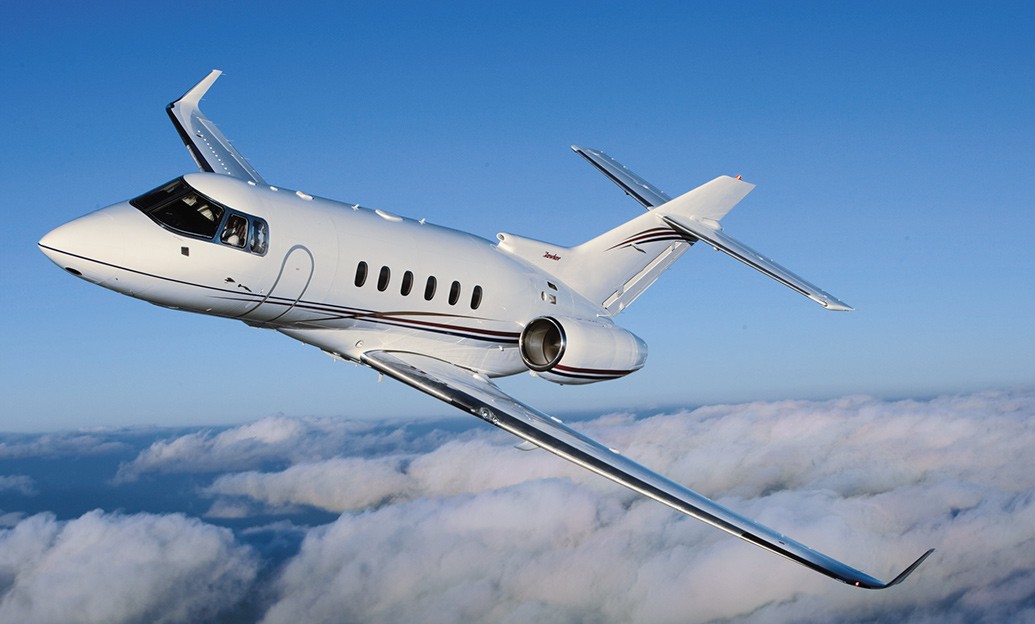
Owning a private jet in 2025 is a significant financial commitment that goes beyond the price tag of the aircraft itself.

Owning a private jet in 2026 gives you control over your schedule, privacy and access to airports that may not be served by commercial airlines. However, the purchase price is only the beginning. Crew, fuel, maintenance, insurance, storage and depreciation can add several million pounds to your total cost over the aircraft’s lifetime.
A small pre-owned aircraft may appear affordable compared with a new long-range jet, but its maintenance requirements can make the overall financial picture less attractive. You therefore need to consider your routes, passenger numbers, annual flying hours and expected ownership period before buying.
For many travellers, arranging an aircraft through Noleggio aereo offers similar convenience without the financial exposure of owning the asset. Before making a decision, it is worth comparing full ownership with charter, fractional ownership and leasing.
All figures in this guide are broad estimates. Actual expenses depend on the aircraft, location, market conditions, fuel prices, financing arrangements and how you operate the jet.
Private jet purchase prices vary considerably. At the lower end, an older pre-owned light aircraft may be available for less than £1 million. At the other end of the market, a new ultra-long-range aircraft with a customised interior can cost more than £60 million.
A basic overview of the market looks like this:
| Aircraft category | Indicative purchase price | Indicative annual operating budget at 200 hours |
|---|---|---|
| Turboprop or very light aircraft | £1 million to £7 million | £500,000 to £1 million |
| Light jet | £3 million to £12 million | £700,000 to £1.4 million |
| Midsize or super-midsize jet | £8 million to £30 million | £1.2 million to £2.8 million |
| Large or ultra-long-range jet | £25 million to over £60 million | £2 million to over £5 million |
These figures combine broad fixed and variable operating estimates. They do not include financing, depreciation, corporation-specific tax liabilities or an unusually expensive maintenance event.
You can compare different Opzioni di aeromobili to understand how cabin size, range, runway performance and passenger capacity change the cost.
Buying a new jet gives you the latest avionics, improved fuel efficiency, a manufacturer’s warranty and the ability to choose your interior. You are also less likely to face an immediate major inspection.
The disadvantage is the initial price. You may also experience a significant fall in market value during the first few years of ownership.
A pre-owned aircraft requires less capital, but its age alone does not tell you whether it represents good value. You need to examine:
Maintenance records and inspection history
Engine and auxiliary power unit hours
Remaining time before major overhauls
Damage history
Avionics compliance
Cabin condition
Parts availability
Existing maintenance programme coverage
Any restrictions affecting where the aircraft can operate
A low purchase price can become expensive if the aircraft requires an engine overhaul, structural work or a major cabin refurbishment shortly after completion.
Before buying, you should arrange an independent pre-purchase inspection. You should also use aviation lawyers, tax advisers and technical specialists rather than relying only on information supplied by the seller.
Fixed costs continue whether the aircraft flies every week or remains in the hangar. This is one of the biggest differences between ownership and noleggio jet privato, where you usually pay for a specific journey.
Most private jets require 2 qualified pilots. Larger aircraft may also need cabin crew, a flight operations manager or additional pilots for longer journeys.
Your annual crew budget may include:
Pilot salaries
Employer contributions and benefits
Recurrent simulator training
Medical examinations
Accommodation and positioning travel
Uniforms and equipment
Temporary contract crew
Recruitment costs
Overtime and daily allowances
Crew expenses vary by aircraft type and location. Pilots qualified to operate a complex large-cabin jet generally command higher salaries than pilots operating a smaller aircraft.
You also need sufficient crew coverage for holidays, sickness and training periods. Employing only the minimum number of people may save money initially, but it can leave the aircraft unavailable when a pilot reaches a duty-time limit or cannot work.
A suitable hangar protects your aircraft from weather, corrosion, accidental damage and security risks. Charges depend on the size of the aircraft and the airport.
Space at a busy London, Paris, New York or Dubai business aviation airport may cost substantially more than storage at a regional airfield. In some locations, suitable hangar space is limited.
Your storage budget may include:
Monthly hangar rent
Airport security charges
Aircraft towing
Ground power
Cleaning
De-icing
Parking away from the home base
Additional storage during maintenance
Outdoor parking may cost less, but it can increase exposure to weather and accelerate wear on paint, seals and other components.
You will normally need hull and liability insurance. The premium depends on the aircraft’s value, age, operating region, passenger capacity and intended use.
Insurers also consider the experience of your pilots. A newly recruited captain with limited time on type may result in additional training requirements or a higher premium.
You should not assume that insurance is a small percentage of the overall budget. A change in aircraft value, claims history or operating territory can significantly alter the renewal price.
Running a jet involves far more than arranging pilots. Someone must manage maintenance, flight planning, permits, crew records, invoices, safety procedures and regulatory requirements.
An aircraft management company can handle these responsibilities for a monthly or annual fee. The arrangement may include:
Crew recruitment and supervision
Flight scheduling
Maintenance coordination
Regulatory compliance
Fuel purchasing
Insurance administration
Budget reporting
Ground handling
Passenger services
Charter management
Management fees vary according to aircraft size and service level. However, professional management may help you control costs by negotiating fuel, maintenance and handling arrangements.
Variable costs increase as you fly more hours. Your aircraft’s fuel burn, maintenance schedule and mission profile determine how quickly these expenses rise.
Fuel is one of your largest direct operating expenses. A small jet may consume a few hundred litres per hour, while a large long-range aircraft can use considerably more.
Fuel prices can vary between airports, regions and suppliers. The price may also include delivery charges, taxes or fees imposed by the fixed-base operator.
Fuel costs have been particularly volatile during 2026. This makes it sensible to use a range rather than one fixed price when preparing your annual budget.
An efficient aircraft is not automatically the cheapest choice. A smaller jet may require a fuel stop on a long route, adding landing charges, crew time and inconvenience. The correct comparison is the total cost of completing your usual journeys.
For shorter sectors with moderate passenger numbers, turboprop aircraft can offer useful efficiency. If you want jet performance for short trips, jet leggeri molto piccoli potrebbe essere più appropriato.
Aircraft maintenance is controlled by approved schedules rather than your personal preference. Inspections may be triggered by flight hours, cycles or calendar dates.
Your maintenance budget needs to cover:
Scheduled inspections
Engine maintenance
Auxiliary power unit maintenance
Labour
Replacement parts
Tyres and brakes
Navigation database updates
Mandatory service bulletins
Airworthiness directives
Unscheduled repairs
Calendar-based work means an aircraft can still generate maintenance costs when it is not being flown regularly.
Older jets may have lower purchase prices but higher maintenance requirements. Parts can also become difficult to source when a model is no longer supported as actively by its manufacturer.
Some owners enrol engines and other components in hourly maintenance programmes. You pay a set amount for each flying hour, and the programme contributes towards eligible maintenance work. This can make costs more predictable, although coverage limits and exclusions need careful review.
A maintenance reserve is money set aside for future work. It is not necessarily an invoice you pay today, but it reflects the wear created every time the aircraft flies.
For example, an engine overhaul may not be due for several years. However, each flight hour moves the engine closer to that event. Ignoring this expense makes the aircraft appear cheaper to operate than it really is.
A realistic cost analysis should include reserves for:
Engine overhauls
Auxiliary power unit work
Landing gear inspections
Major airframe checks
Paintwork
Cabin refurbishment
Avionics replacement
These reserves also matter when you sell. A buyer may reduce their offer if major work is approaching.
Each trip may involve fees beyond fuel and maintenance. These can include landing charges, passenger facility costs, air navigation fees, customs services, ground handling and overnight parking.
The amount depends on the airport, aircraft weight and time of arrival. Major business aviation airports can be expensive during busy periods.
Some airports also have operating restrictions, curfews or limited parking. You may need to use an alternative airport and arrange ground transport, which changes the overall journey cost.
Standard refreshments may represent a small expense, but bespoke catering can become costly. Fresh meals, premium drinks, special dietary requirements and last-minute orders may all add to the bill.
Your passenger-service costs could also include:
Chauffeur transfers
Hotel arrangements
Cabin cleaning
Laundry
Newspapers and entertainment
Satellite Wi-Fi
Pet documentation
Security personnel
These costs may not be central to the ownership decision, but they need to be included if you want an honest annual figure.
The wrong aircraft can make ownership needlessly expensive. Buying for the occasional longest journey often leaves you operating an oversized jet on routine trips.
A light jet may be enough if most of your flights are short European sectors. A jet medio can provide more cabin space and range without moving into the full cost structure of a large aircraft.
If you regularly fly longer routes with several passengers, super-midsize aircraft can offer a practical middle ground.
A grande jet privato gives you greater space and long-distance capability, while ultra-long-range jets are designed for demanding intercontinental missions.
You should base your choice on the journeys you make most often, not the most impressive trip the aircraft could theoretically complete.
Depreciation is easy to overlook because it does not arrive as a monthly invoice. However, it may be one of your largest ownership costs.
Aircraft values are affected by:
Age
Total hours and cycles
Maintenance condition
Market demand
Engine programme status
Cabin configuration
Avionics
Accident or damage history
Manufacturer support
Availability of newer models
A new aircraft may lose a meaningful part of its value during the early years. Pre-owned aircraft can depreciate more slowly, but values can still fall sharply when demand changes or major maintenance becomes due.
Maintaining complete records is essential. Missing documents can reduce the aircraft’s value even when the jet itself is in good condition.
If you finance the purchase, interest and lender fees need to be added to your annual ownership budget. The lender may also impose requirements concerning insurance, maintenance programmes, aircraft registration and where the jet can operate.
Financing a £20 million aircraft creates a very different cash-flow requirement from buying it outright. However, using your own funds also carries an opportunity cost because that capital cannot be invested elsewhere.
You should therefore compare the aircraft’s full economic cost rather than focusing only on loan repayments.
Aircraft taxation depends on where you are based, where the jet is registered, how it is used and the legal entity that owns it.
For UK owners, VAT, importation, business use and benefit-in-kind considerations may be relevant. You should obtain specialist advice before deciding where to register, import or base the aircraft.
In the US, current rules may allow 100% additional first-year depreciation for certain qualifying business property acquired after 19 January 2025. This does not mean every aircraft purchase automatically qualifies. Personal use, business-use percentages, placed-in-service requirements and record keeping all matter.
You should never buy an aircraft solely because of a potential tax deduction. Tax rules can change, and the deduction does not remove the aircraft’s operating costs or depreciation in the resale market.
There is no universal number of hours at which ownership becomes cheaper. However, full ownership is usually difficult to justify financially when you only fly occasionally.
Ownership may begin to look more practical when you fly around 200 to 300 hours each year, require consistent access to a particular aircraft and value complete control. Even then, the result depends on your routes and whether the aircraft spends significant time repositioning without passengers.
Charter allows you to select a different aircraft for each trip. You might use a light jet for a short domestic journey and a large-cabin aircraft for an intercontinental flight.
Reviewing a transparent private jet charter cost guide can help you compare pay-as-you-fly pricing with the fixed financial commitment of ownership.
For companies that mainly need aircraft for meetings, site visits and roadshows, a tailored noleggio di jet privati arrangement may be simpler than operating an internal flight department.
You may also find opportunities through empty-leg flights, although these depend on an aircraft’s existing schedule and are less suitable when your travel dates are fixed.
Full ownership is not the only way to secure regular private aviation access.
Fractional ownership allows you to buy a share in an aircraft or fleet. You normally pay an acquisition cost, a monthly management fee and an occupied hourly rate. This reduces your capital requirement, but availability and contractual restrictions need to be reviewed.
Leasing can provide access without purchasing the aircraft. The financial treatment, maintenance responsibilities and return conditions depend on the lease.
Charter gives you the greatest flexibility because you do not need to commit to one aircraft. It can also accommodate changing passenger numbers. For larger parties, a noleggio aereo per gruppi may be more practical than using several smaller aircraft.
You cannot remove the main expenses of ownership, but careful planning can reduce waste.
Choose an aircraft based on your regular routes
Maintain complete and accurate records
Negotiate fuel arrangements where possible
Use maintenance programmes carefully
Review management invoices regularly
Plan maintenance before major travel periods
Avoid unnecessary empty positioning flights
Reassess insurance at each renewal
Monitor the aircraft’s market value
Consider permitted third-party charter use
Build a contingency reserve for unexpected repairs
Compare annual ownership costs with equivalent charter quotes
Placing the aircraft on a charter certificate may generate revenue when you are not using it. However, this can increase flight hours, cycles, maintenance and cabin wear. It may also affect availability, tax treatment and insurance.
Charter revenue should therefore be treated as an offset against costs, not guaranteed profit.
Ownership may suit you when you fly frequently, need short-notice access and repeatedly use an aircraft with similar capabilities. It can also make sense when privacy, cabin consistency and complete control have substantial personal or commercial value.
It may be less suitable when your travel requirements change throughout the year. One aircraft will rarely be ideal for every mission.
Before buying, prepare a 5-year financial forecast covering:
Purchase and completion costs
Financing
Fixed annual expenses
Variable flight costs
Maintenance reserves
Major inspections
Upgrades and refurbishment
Tax
Depreciation
Expected resale value
Contingency funding
Run the forecast using conservative assumptions. Fuel, maintenance and staffing costs may rise, while resale values may fall.
The cost of owning a private jet in 2026 extends far beyond the advertised purchase price. Even a smaller aircraft can require a substantial annual budget, while a large long-range jet may cost several million pounds each year to operate.
Ownership gives you control, consistency and immediate access, but it also places maintenance, staffing, compliance and financial risk in your hands.
Before committing, compare ownership against chartering, fractional ownership and leasing. The correct choice is not necessarily the one with the lowest hourly calculation. It is the option that supports your real travel requirements without tying up more capital and management time than necessary.
Ottieni un preventivo in tempo reale facendo clic sul pulsante ‘Ottieni preventivo in tempo reale’ e compilando il modulo. Un nostro incaricato ti contatterà per discutere le tue esigenze di noleggio aereo.
I viaggiatori di jet privati di lusso traggono vantaggio da strumenti digitali che semplificano la pianificazione e offrono un servizio personalizzato. L'uso di app intelligenti e piattaforme centralizzate contribuisce a garantire un'esperienza senza intoppi. Questi strumenti uniscono la praticità a opzioni su misura, rendendo il viaggio più efficiente e piacevole.
Le app mobili progettate per iOS e Android consentono ai viaggiatori di gestire voli, preferenze e servizi dai propri telefoni. Queste app includono spesso funzionalità come aggiornamenti in tempo reale, modifiche all'itinerario e consigli personalizzati basati sui dati degli utenti.
Le Progressive Web App (PWA) migliorano l'accessibilità funzionando su qualsiasi dispositivo senza installazione. Offrono tempi di caricamento rapidi e funzioni offline, ideali per i viaggiatori che potrebbero non avere sempre una forte connessione a internet. Sia le app mobili native che le PWA migliorano il coinvolgimento offrendo interfacce user-friendly e opzioni personalizzate, favorendo un migliore processo decisionale durante il viaggio.
I sistemi digitali centralizzati raccolgono e organizzano tutte le informazioni di viaggio in un unico luogo. Queste piattaforme offrono ai viaggiatori e agli operatori una panoramica di prenotazioni, preferenze, programmi fedeltà e richieste speciali.
I siti web collegati a questi sistemi offrono un facile accesso alla gestione degli account e a dashboard informative. Aiutano a ridurre gli errori sincronizzando più punti di dati, assicurando che ogni dettaglio soddisfi le esigenze del viaggiatore. I sistemi centralizzati migliorano inoltre la comunicazione tra i fornitori di servizi, creando un'esperienza senza interruzioni dalla prenotazione all'arrivo.
L'integrazione di app mobili e siti web con le piattaforme di prenotazione e servizi semplifica l'intero processo di viaggio di lusso. Ciò include la sincronizzazione con voli in jet privato, servizi di catering, trasporti terrestri e comfort speciali.
Tale integrazione automatizza le attività di routine come la scelta del posto a sedere e le preferenze sui pasti, facendo risparmiare tempo ai viaggiatori. Consente inoltre aggiornamenti e modifiche facili tramite un'unica interfaccia, il che migliora il servizio clienti. Collegando queste piattaforme, le aziende offrono un'esperienza di viaggio più personalizzata e reattiva che si adatta agli orari e alle preferenze di ciascun viaggiatore.
L'intelligenza artificiale aumenta i ricavi e migliora la finanza perfezionando le strategie di prezzo. Semplifica i flussi di lavoro operativi e la logistica. Aiuta anche a prevedere la domanda dei clienti e ad allocare le risorse in modo intelligente.
L'intelligenza artificiale utilizza dati come le tendenze dei voli, il comportamento dei clienti e i prezzi della concorrenza per impostare prezzi dinamici. Ciò consente alle compagnie di jet privati di adeguare le tariffe in tempo reale per soddisfare la domanda e massimizzare i guadagni.
Il prezzo dinamico aiuta a catturare più entrate durante i momenti di punta e ad attrarre clienti durante i periodi di bassa domanda con offerte migliori. Riduce l'impostazione manuale dei prezzi, facendo risparmiando tempo e riducendo gli errori.
Analizzando i modelli di prenotazione e le preferenze dei clienti, l'intelligenza artificiale può identificare opportunità di upsell, come l'offerta di servizi premium o voli più lunghi. Ciò aumenta il ricavo medio per cliente senza uno sforzo aggiuntivo.
L'intelligenza artificiale automatizza molte attività di routine nelle operazioni di jet privati. Pianifica gli equipaggi, gestisce gli avvisi di manutenzione e coordina i servizi di terra in modo efficiente.
Grazie all’integrazione di dati meteorologici, normative di volo e opzioni di rotta, l’intelligenza artificiale contribuisce a ottimizzare le traiettorie di volo e a ridurre al minimo i ritardi. Ciò consente di ridurre i costi del carburante e migliorare la puntualità dei voli.
L'automazione riduce anche l'errore umano nei flussi di lavoro. Il personale si concentra su attività ad alto valore mentre l'IA gestisce la logistica. Ciò migliora l'efficienza operativa e la soddisfazione del cliente rendendo i processi più fluidi.
L'intelligenza artificiale prevede la domanda futura dei voli utilizzando dati storici, tendenze di prenotazione e segnali di mercato. Previsioni accurate aiutano le aziende a pianificare meglio l'utilizzo della flotta e i turni del personale.
Un'allocazione intelligente delle risorse significa che gli aerei e gli equipaggi vengono assegnati dove ce n'è più bisogno. Ciò riduce i tempi di inattività e taglia le spese superflue.
La previsione supporta anche la finanza aiutando a stimare i ricavi futuri e a creare budget migliori. Offre alle aziende una visione più chiara della crescita potenziale o dei rallentamenti.
Ulteriori dettagli sull'impatto dell'IA sull'efficienza del settore dei jet privati sono reperibili nell'articolo su come l'IA sta trasformando il processo di prenotazione dei jet privati.
Il settore dei viaggi in jet privato sta evolvendo, ponendo sempre maggiore attenzione alle opzioni eco-sostenibili, alla fidelizzazione dei clienti e alle nuove modalità di trasporto. Questi aspetti determinano il modo in cui l’aviazione privata si evolve per soddisfare le moderne esigenze di efficienza, esclusività e sostenibilità.
Gli operatori di jet privati stanno investendo in velivoli ecologici che migliorano l'efficienza dei consumi. Alcuni jet raggiungono un risparmio di carburante fino al 20%, riducendo significativamente le emissioni rispetto ai modelli più vecchi.
Inoltre, i programmi a zero emissioni di carbonio stanno diventando più comuni. Questi programmi compensano le emissioni attraverso investimenti in energia rinnovabile o progetti di Rimboschimento.
I produttori e gli operatori esplorano anche carburanti sostenibili e rotte di volo migliori per ridurre l'impatto ambientale. Questo sforzo contribuisce a ridurre l'impronta di carbonio dei voli privati senza perdere la comodità o il lusso che i passeggeri si aspettano.
I programmi fedeltà nell'aviazione privata si concentrano su qualcosa di più dei semplici chilometri volati. Offrono vantaggi esclusivi come l'accesso anticipato a velivoli di prima classe, servizi personalizzati e pianificazione prioritaria.
Questi programmi premiano i frequent flyer con upgrade, esperienze personalizzate e talvolta l'accesso a terminal privati negli aeroporti. L'obiettivo è costruire relazioni a lungo termine fornendo una comodità e un valore senza pari.
Promuovendo la fedeltà, gli operatori incentivano la ripetizione degli affari e mantengono forti flussi di entrate. Questo approccio personalizzato migliora la soddisfazione del cliente e consolida la fiducia dei clienti.
Tra i nuovi modelli di mobilità aerea figurano i velivoli elettrici a decollo e atterraggio verticale (eVTOL) e altri veicoli innovativi progettati per coprire in modo efficiente brevi distanze.
Queste tecnologie promettono di integrarsi con i tradizionali viaggi in jet privato, offrendo collegamenti rapidi tra i centri cittadini e gli aeroporti. Ciò contribuisce a ridurre i tempi di viaggio e la congestione aeroportuale.
Compagnie aeree e operatori privati stanno esplorando partnership con le startup per integrare questi veicoli nella loro offerta. Il futuro dei voli privati potrebbe combinare i jet tradizionali con queste nuove opzioni di mobilità per una maggiore flessibilità e accessibilità.
Scegli il settore noleggio di aeromobili per viaggi esecutivi di lusso. Scopri i servizi di charter, esplora noleggio jet privato, disporre viaggio in jet privato di gruppo, oppure semplificare la logistica con voli charter merci.
Salva con tratta vuota voli charter per viaggi di sola andata. Trova le offerte, esplora opzioni di destinazione, libro servizi di taxi aereo, disporre voli in elicottero privato, oppure affidarsi a evacuazione medica aeroambulanza soluzioni.

Volare alle Hawaii con un jet privato offre un'esperienza di viaggio senza eguali, che unisce comfort, privacy e flessibilità. Che tu sia diretto a Honolulu, Maui o alla Big Island, un jet privato ti permette di evitare lunghe code ai controlli di sicurezza, terminal affollati e orari scomodi. Invece, scegli tu l'orario di partenza, l'aeroporto e i servizi a bordo.
Dalle spaziose cabine e dal catering personalizzato alle viste mozzafiato sul Pacifico, ogni parte del viaggio è su misura per le vostre esigenze. I voli privati offrono anche un accesso diretto ai piccoli aeroporti hawaiani, portandovi più vicino alla tua destinazione finale.
Che tu stia pianificare una fuga romantica, una vacanza in famiglia o un soggiorno di lusso, volare con un jet privato ti garantisce di arrivare in paradiso rilassato e rigenerato. Con Aircraft Charter, l’esperienza non inizia all’atterraggio, ma nel momento stesso in cui sali a bordo. Scopri un modo più intelligente e lussuoso di viaggiare alle Hawaii secondo i tuoi tempi.
