
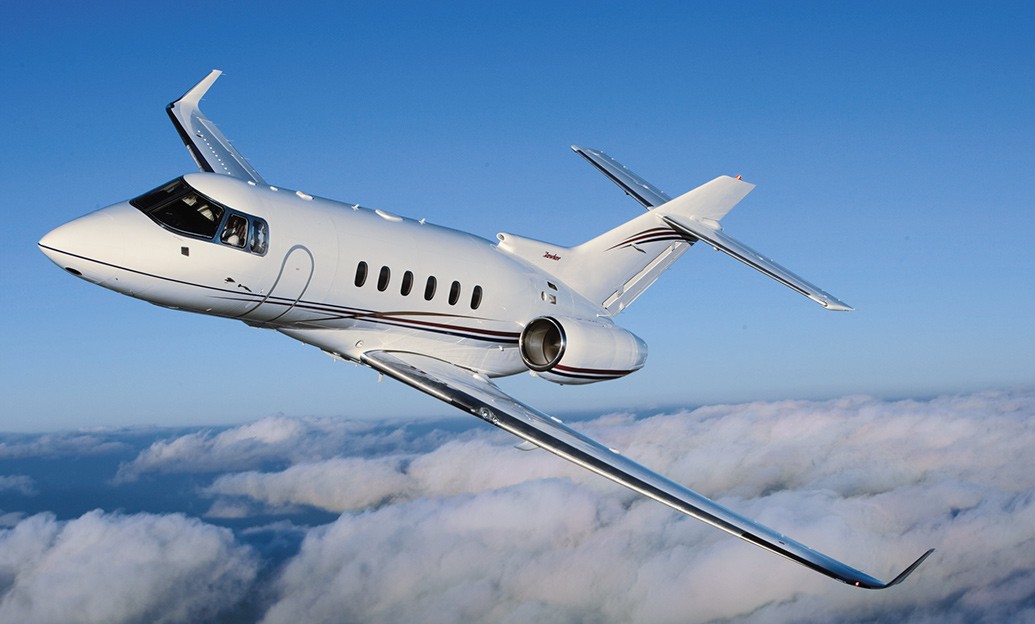
Owning a private jet in 2025 is a significant financial commitment that goes beyond the price tag of the aircraft itself.

Owning a private jet in 2026 gives you control over your schedule, privacy and access to airports that may not be served by commercial airlines. However, the purchase price is only the beginning. Crew, fuel, maintenance, insurance, storage and depreciation can add several million pounds to your total cost over the aircraft’s lifetime.
A small pre-owned aircraft may appear affordable compared with a new long-range jet, but its maintenance requirements can make the overall financial picture less attractive. You therefore need to consider your routes, passenger numbers, annual flying hours and expected ownership period before buying.
For many travellers, arranging an aircraft through Affrètement d'avions offers similar convenience without the financial exposure of owning the asset. Before making a decision, it is worth comparing full ownership with charter, fractional ownership and leasing.
All figures in this guide are broad estimates. Actual expenses depend on the aircraft, location, market conditions, fuel prices, financing arrangements and how you operate the jet.
Private jet purchase prices vary considerably. At the lower end, an older pre-owned light aircraft may be available for less than £1 million. At the other end of the market, a new ultra-long-range aircraft with a customised interior can cost more than £60 million.
A basic overview of the market looks like this:
| Aircraft category | Indicative purchase price | Indicative annual operating budget at 200 hours |
|---|---|---|
| Turboprop or very light aircraft | £1 million to £7 million | £500,000 to £1 million |
| Light jet | £3 million to £12 million | £700,000 to £1.4 million |
| Midsize or super-midsize jet | £8 million to £30 million | £1.2 million to £2.8 million |
| Large or ultra-long-range jet | £25 million to over £60 million | £2 million to over £5 million |
These figures combine broad fixed and variable operating estimates. They do not include financing, depreciation, corporation-specific tax liabilities or an unusually expensive maintenance event.
You can compare different Choix d’appareils to understand how cabin size, range, runway performance and passenger capacity change the cost.
Buying a new jet gives you the latest avionics, improved fuel efficiency, a manufacturer’s warranty and the ability to choose your interior. You are also less likely to face an immediate major inspection.
The disadvantage is the initial price. You may also experience a significant fall in market value during the first few years of ownership.
A pre-owned aircraft requires less capital, but its age alone does not tell you whether it represents good value. You need to examine:
Maintenance records and inspection history
Engine and auxiliary power unit hours
Remaining time before major overhauls
Damage history
Avionics compliance
Cabin condition
Parts availability
Existing maintenance programme coverage
Any restrictions affecting where the aircraft can operate
A low purchase price can become expensive if the aircraft requires an engine overhaul, structural work or a major cabin refurbishment shortly after completion.
Before buying, you should arrange an independent pre-purchase inspection. You should also use aviation lawyers, tax advisers and technical specialists rather than relying only on information supplied by the seller.
Fixed costs continue whether the aircraft flies every week or remains in the hangar. This is one of the biggest differences between ownership and location de jet privé, where you usually pay for a specific journey.
Most private jets require 2 qualified pilots. Larger aircraft may also need cabin crew, a flight operations manager or additional pilots for longer journeys.
Your annual crew budget may include:
Pilot salaries
Employer contributions and benefits
Recurrent simulator training
Medical examinations
Accommodation and positioning travel
Uniforms and equipment
Temporary contract crew
Recruitment costs
Overtime and daily allowances
Crew expenses vary by aircraft type and location. Pilots qualified to operate a complex large-cabin jet generally command higher salaries than pilots operating a smaller aircraft.
You also need sufficient crew coverage for holidays, sickness and training periods. Employing only the minimum number of people may save money initially, but it can leave the aircraft unavailable when a pilot reaches a duty-time limit or cannot work.
A suitable hangar protects your aircraft from weather, corrosion, accidental damage and security risks. Charges depend on the size of the aircraft and the airport.
Space at a busy London, Paris, New York or Dubai business aviation airport may cost substantially more than storage at a regional airfield. In some locations, suitable hangar space is limited.
Your storage budget may include:
Monthly hangar rent
Airport security charges
Aircraft towing
Ground power
Cleaning
De-icing
Parking away from the home base
Additional storage during maintenance
Outdoor parking may cost less, but it can increase exposure to weather and accelerate wear on paint, seals and other components.
You will normally need hull and liability insurance. The premium depends on the aircraft’s value, age, operating region, passenger capacity and intended use.
Insurers also consider the experience of your pilots. A newly recruited captain with limited time on type may result in additional training requirements or a higher premium.
You should not assume that insurance is a small percentage of the overall budget. A change in aircraft value, claims history or operating territory can significantly alter the renewal price.
Running a jet involves far more than arranging pilots. Someone must manage maintenance, flight planning, permits, crew records, invoices, safety procedures and regulatory requirements.
An aircraft management company can handle these responsibilities for a monthly or annual fee. The arrangement may include:
Crew recruitment and supervision
Flight scheduling
Maintenance coordination
Regulatory compliance
Fuel purchasing
Insurance administration
Budget reporting
Ground handling
Passenger services
Charter management
Management fees vary according to aircraft size and service level. However, professional management may help you control costs by negotiating fuel, maintenance and handling arrangements.
Variable costs increase as you fly more hours. Your aircraft’s fuel burn, maintenance schedule and mission profile determine how quickly these expenses rise.
Fuel is one of your largest direct operating expenses. A small jet may consume a few hundred litres per hour, while a large long-range aircraft can use considerably more.
Fuel prices can vary between airports, regions and suppliers. The price may also include delivery charges, taxes or fees imposed by the fixed-base operator.
Fuel costs have been particularly volatile during 2026. This makes it sensible to use a range rather than one fixed price when preparing your annual budget.
An efficient aircraft is not automatically the cheapest choice. A smaller jet may require a fuel stop on a long route, adding landing charges, crew time and inconvenience. The correct comparison is the total cost of completing your usual journeys.
For shorter sectors with moderate passenger numbers, turboprop aircraft can offer useful efficiency. If you want jet performance for short trips, très légers réacteurs peut-être plus approprié.
Aircraft maintenance is controlled by approved schedules rather than your personal preference. Inspections may be triggered by flight hours, cycles or calendar dates.
Your maintenance budget needs to cover:
Scheduled inspections
Engine maintenance
Auxiliary power unit maintenance
Labour
Replacement parts
Tyres and brakes
Navigation database updates
Mandatory service bulletins
Airworthiness directives
Unscheduled repairs
Calendar-based work means an aircraft can still generate maintenance costs when it is not being flown regularly.
Older jets may have lower purchase prices but higher maintenance requirements. Parts can also become difficult to source when a model is no longer supported as actively by its manufacturer.
Some owners enrol engines and other components in hourly maintenance programmes. You pay a set amount for each flying hour, and the programme contributes towards eligible maintenance work. This can make costs more predictable, although coverage limits and exclusions need careful review.
A maintenance reserve is money set aside for future work. It is not necessarily an invoice you pay today, but it reflects the wear created every time the aircraft flies.
For example, an engine overhaul may not be due for several years. However, each flight hour moves the engine closer to that event. Ignoring this expense makes the aircraft appear cheaper to operate than it really is.
A realistic cost analysis should include reserves for:
Engine overhauls
Auxiliary power unit work
Landing gear inspections
Major airframe checks
Paintwork
Cabin refurbishment
Avionics replacement
These reserves also matter when you sell. A buyer may reduce their offer if major work is approaching.
Each trip may involve fees beyond fuel and maintenance. These can include landing charges, passenger facility costs, air navigation fees, customs services, ground handling and overnight parking.
The amount depends on the airport, aircraft weight and time of arrival. Major business aviation airports can be expensive during busy periods.
Some airports also have operating restrictions, curfews or limited parking. You may need to use an alternative airport and arrange ground transport, which changes the overall journey cost.
Standard refreshments may represent a small expense, but bespoke catering can become costly. Fresh meals, premium drinks, special dietary requirements and last-minute orders may all add to the bill.
Your passenger-service costs could also include:
Chauffeur transfers
Hotel arrangements
Cabin cleaning
Laundry
Newspapers and entertainment
Satellite Wi-Fi
Pet documentation
Security personnel
These costs may not be central to the ownership decision, but they need to be included if you want an honest annual figure.
The wrong aircraft can make ownership needlessly expensive. Buying for the occasional longest journey often leaves you operating an oversized jet on routine trips.
A light jet may be enough if most of your flights are short European sectors. A midsize jet can provide more cabin space and range without moving into the full cost structure of a large aircraft.
If you regularly fly longer routes with several passengers, super-midsize aircraft can offer a practical middle ground.
A grand jet privé gives you greater space and long-distance capability, while ultra-long-range jets are designed for demanding intercontinental missions.
You should base your choice on the journeys you make most often, not the most impressive trip the aircraft could theoretically complete.
Depreciation is easy to overlook because it does not arrive as a monthly invoice. However, it may be one of your largest ownership costs.
Aircraft values are affected by:
Age
Total hours and cycles
Maintenance condition
Market demand
Engine programme status
Cabin configuration
Avionics
Accident or damage history
Manufacturer support
Availability of newer models
A new aircraft may lose a meaningful part of its value during the early years. Pre-owned aircraft can depreciate more slowly, but values can still fall sharply when demand changes or major maintenance becomes due.
Maintaining complete records is essential. Missing documents can reduce the aircraft’s value even when the jet itself is in good condition.
If you finance the purchase, interest and lender fees need to be added to your annual ownership budget. The lender may also impose requirements concerning insurance, maintenance programmes, aircraft registration and where the jet can operate.
Financing a £20 million aircraft creates a very different cash-flow requirement from buying it outright. However, using your own funds also carries an opportunity cost because that capital cannot be invested elsewhere.
You should therefore compare the aircraft’s full economic cost rather than focusing only on loan repayments.
Aircraft taxation depends on where you are based, where the jet is registered, how it is used and the legal entity that owns it.
For UK owners, VAT, importation, business use and benefit-in-kind considerations may be relevant. You should obtain specialist advice before deciding where to register, import or base the aircraft.
In the US, current rules may allow 100% additional first-year depreciation for certain qualifying business property acquired after 19 January 2025. This does not mean every aircraft purchase automatically qualifies. Personal use, business-use percentages, placed-in-service requirements and record keeping all matter.
You should never buy an aircraft solely because of a potential tax deduction. Tax rules can change, and the deduction does not remove the aircraft’s operating costs or depreciation in the resale market.
There is no universal number of hours at which ownership becomes cheaper. However, full ownership is usually difficult to justify financially when you only fly occasionally.
Ownership may begin to look more practical when you fly around 200 to 300 hours each year, require consistent access to a particular aircraft and value complete control. Even then, the result depends on your routes and whether the aircraft spends significant time repositioning without passengers.
Charter allows you to select a different aircraft for each trip. You might use a light jet for a short domestic journey and a large-cabin aircraft for an intercontinental flight.
Reviewing a transparent private jet charter cost guide can help you compare pay-as-you-fly pricing with the fixed financial commitment of ownership.
For companies that mainly need aircraft for meetings, site visits and roadshows, a tailored location de jet d'affaires arrangement may be simpler than operating an internal flight department.
You may also find opportunities through empty-leg flights, although these depend on an aircraft’s existing schedule and are less suitable when your travel dates are fixed.
Full ownership is not the only way to secure regular private aviation access.
Fractional ownership allows you to buy a share in an aircraft or fleet. You normally pay an acquisition cost, a monthly management fee and an occupied hourly rate. This reduces your capital requirement, but availability and contractual restrictions need to be reviewed.
Leasing can provide access without purchasing the aircraft. The financial treatment, maintenance responsibilities and return conditions depend on the lease.
Charter gives you the greatest flexibility because you do not need to commit to one aircraft. It can also accommodate changing passenger numbers. For larger parties, a group air charter may be more practical than using several smaller aircraft.
You cannot remove the main expenses of ownership, but careful planning can reduce waste.
Choose an aircraft based on your regular routes
Maintain complete and accurate records
Negotiate fuel arrangements where possible
Use maintenance programmes carefully
Review management invoices regularly
Plan maintenance before major travel periods
Avoid unnecessary empty positioning flights
Reassess insurance at each renewal
Monitor the aircraft’s market value
Consider permitted third-party charter use
Build a contingency reserve for unexpected repairs
Compare annual ownership costs with equivalent charter quotes
Placing the aircraft on a charter certificate may generate revenue when you are not using it. However, this can increase flight hours, cycles, maintenance and cabin wear. It may also affect availability, tax treatment and insurance.
Charter revenue should therefore be treated as an offset against costs, not guaranteed profit.
Ownership may suit you when you fly frequently, need short-notice access and repeatedly use an aircraft with similar capabilities. It can also make sense when privacy, cabin consistency and complete control have substantial personal or commercial value.
It may be less suitable when your travel requirements change throughout the year. One aircraft will rarely be ideal for every mission.
Before buying, prepare a 5-year financial forecast covering:
Purchase and completion costs
Financing
Fixed annual expenses
Variable flight costs
Maintenance reserves
Major inspections
Upgrades and refurbishment
Tax
Depreciation
Expected resale value
Contingency funding
Run the forecast using conservative assumptions. Fuel, maintenance and staffing costs may rise, while resale values may fall.
The cost of owning a private jet in 2026 extends far beyond the advertised purchase price. Even a smaller aircraft can require a substantial annual budget, while a large long-range jet may cost several million pounds each year to operate.
Ownership gives you control, consistency and immediate access, but it also places maintenance, staffing, compliance and financial risk in your hands.
Before committing, compare ownership against chartering, fractional ownership and leasing. The correct choice is not necessarily the one with the lowest hourly calculation. It is the option that supports your real travel requirements without tying up more capital and management time than necessary.
Obtenez instantanément un devis en temps réel en cliquant sur le bouton ‘ Obtenir un devis en temps réel ’ et en remplissant le formulaire. L'un de nos conseillers vous contactera pour discuter de vos besoins en matière d'affrètement d'avion.
Les voyageurs en jet privé de luxe bénéficient d'outils numériques qui simplifient la planification et offrent un service personnalisé. L'utilisation d'applications intelligentes et de plateformes centralisées contribue à offrir une expérience fluide. Ces outils associent praticité et options sur mesure, rendant les voyages plus efficaces et plus agréables.
Les applications mobiles conçues pour iOS et Android permettent aux voyageurs de gérer leurs vols, leurs préférences et leurs services depuis leur téléphone. Ces applications incluent souvent des fonctionnalités telles que des mises à jour en temps réel, des modifications d'itinéraire et des recommandations personnalisées basées sur les données des utilisateurs.
Les Progressive Web Apps (PWA) améliorent l'accessibilité en fonctionnant sur n'importe quel appareil sans installation. Elles offrent des temps de chargement rapides et des fonctions hors ligne, idéales pour les voyageurs qui n'ont pas toujours une connexion Internet solide. Les applications mobiles natives et les PWA améliorent toutes deux l'engagement en offrant des interfaces conviviales et des options personnalisées, favorisant ainsi une meilleure prise de décision pendant les voyages.
Les systèmes numériques centralisés collectent et organisent toutes les informations de voyage en un seul endroit. Ces plateformes offrent aux voyageurs et aux opérateurs une vue d'ensemble des réservations, des préférences, des programmes de fidélité et des demandes spéciales.
Les sites Web liés à ces systèmes offrent un accès facile à la gestion des comptes et aux tableaux de bord d'information. Ils aident à réduire les erreurs en synchronisant de multiples points de données, garantissant que chaque détail répond aux besoins du voyageur. Les systèmes centralisés améliorent également la communication entre les prestataires de services, créant ainsi une expérience fluide de la réservation à l'arrivée.
L'intégration d'applications mobiles et de sites Web avec des plateformes de réservation et de services rationalise l'ensemble du processus de voyage de luxe. Cela comprend la synchronisation avec la location de jets privés, les services de traiteur, le transport terrestre et les équipements spéciaux.
Une telle intégration automatise les tâches routinières telles que la sélection des sièges et les préférences de repas, ce qui fait gagner du temps aux voyageurs. Elle permet également des mises à cru et des modifications faciles via une interface unique, ce en quoi le service client est amélioré. En connectant ces plateformes, les entreprises offrent une expérience de voyage plus personnalisée et réactive qui s'adapte à l'emploi du temps et aux préférences de chaque voyageur.
L'IA augmente le chiffre d'affaires et améliore la finance en affinant les stratégies de tarification. Elle rationalise les flux de travail opérationnels et la logistique. Elle aide également à prédire la demande des clients et à allouer intelligemment les ressources.
L'IA utilise des données telles que les tendances des vols, le comportement des clients et les prix des concurrents pour fixer des prix dynamiques. Cela permet aux entreprises de jets privés d'ajuster leurs tarifs en temps réel pour s'adapter à la demande et maximiser leurs revenus.
La tarification dynamique permet de générer plus de revenus pendant les périodes de forte affluence et d'attirer des clients lors de la faible demande grâce à de meilleures offres. Elle réduit la fixation manuelle des prix, ce qui permet de gagner du temps et de limiter les erreurs.
En analysant les habitudes de réservation et les préférences des clients, l'intelligence artificielle peut identifier des opportunités de vente incitative, telles que l'offre de services premium ou de vols plus longs. Cela augmente le revenu moyen par client sans effort supplémentaire.
L'IA automatise de nombreuses tâches de routine dans les opérations de jets privés. Elle planifie les équipages, gère les alertes de maintenance et coordonne efficacement les services au sol.
En intégrant les données météorologiques, la réglementation aérienne et les options d'itinéraires, l'intelligence artificielle contribue à optimiser les plans de vol et à minimiser les retards. Cela permet de réduire les coûts de carburant et d'améliorer la ponctualité.
L'automatisation réduit également les erreurs humaines dans les flux de travail. Le personnel se concentre sur des tâches à forte valeur ajoutée tandis que l'IA gère la logistique. Cela améliore l'efficacité opérationnelle et la satisfaction des clients en rendant les processus plus fluides.
L'IA prédit la demande future de vols en utilisant des données historiques, les tendances de réservation et les signaux du marché. Des prévisions précises aident les entreprises à mieux planifier l'utilisation de leur flotte et les rotations du personnel.
Une allocation intelligente des ressources signifie que les avions et les équipages sont affectés là où ils sont le plus nécessaires. Cela réduit les temps d'arrêt et supprime les dépenses inutiles.
La prévision soutient également la finance en aidant à estimer les revenus futurs et à créer de meilleurs budgets. Elle offre aux entreprises une vision plus claire de la croissance potentielle ou des ralentissements.
Plus de détails sur l'impact de l'IA sur l'efficacité du secteur des jets privés sont disponibles dans l'article sur la façon dont l'IA transforme le processus de réservation de jets privés.
Les voyages en jet privé progressent avec une attention accrue portée aux options écologiques, à la fidélisation de la clientèle et aux nouvelles méthodes de transport. Ces domaines façonnent l'évolution de l'aviation privée pour répondre aux exigences modernes d'efficacité, d'exclusivité et de durabilité.
Les exploitants de jets privés investissent dans des avions éco-responsables qui améliorent l'efficacité énergétique. Certains jets permettent des économies de carburant allant jusqu'à 20%, réduisant considérablement les émissions par rapport aux modèles plus anciens.
De plus, les programmes neutres en carbone deviennent de plus en plus courants. Ces programmes compensent les émissions par des investissements dans les énergies renouvelables ou des projets de reboisement.
Les constructeurs et les exploitants étudient également les carburants durables et l'optimisation des itinéraires de vol afin de réduire l'impact environnemental. Ces efforts contribuent à réduire l'empreinte carbone des vols privés sans pour autant compromettre le confort ni le luxe auxquels s'attendent les passagers.
Les programmes de fidélité dans l'aviation privée ne se concentrent pas seulement sur les miles parcourus. Ils offrent des avantages exclusifs tels qu'un accès anticipé à des appareils haut de gamme, des services personnalisés et une planification prioritaire.
Ces programmes récompensent les voyageurs fréquents en leur offrant des surclassements, des expériences sur mesure et, parfois, l'accès à des terminaux privés dans les aéroports. L'objectif est de nouer des relations à long terme en leur offrant un confort et une valeur ajoutée inégalés.
En favorisant la fidélité, les exploitants encouragent les achats répétés et maintiennent des sources de revenus solides. Cette approche personnalisée améliore la satisfaction client et renforce la confiance des clients.
Les nouveaux modèles de mobilité aérienne comprennent les aéronefs à décollage et atterrissage verticaux électriques (eVTOL) et d'autres véhicules innovants conçus pour desservir efficacement de courtes distances.
Ces technologies promettent de s'intégrer aux voyages en jet privé traditionnels, offrant des connexions rapides entre les centres-villes et les aéroports. Cela contribue à réduire le temps de trajet et la congestion aéroportuaire.
Les compagnies aériennes et les opérateurs privés étudient des partenariats avec des startups pour intégrer ces véhicules dans leurs offres. L'avenir des vols privés pourrait combiner les jets traditionnels avec ces nouvelles options de mobilité pour plus de flexibilité et d'accessibilité.
Choisissez une entreprise affrètement d'avion pour les voyages d'affaires haut de gamme. Découvrez les services d'affrètement, explorez location de jet privé, arranger voyage en jet privé en groupe, ou de simplifier la logistique avec affrètement d'avions de fret.
Enregistrer avec Vols charter vol à vide pour un voyage aller simple. Trouvez des offres, explorez options de destination, livre services de taxi aérien, arranger locations d'hélicoptères privés, ou se fier à évacuation sanitaire ambulance aérienne solutions.

Voler vers Hawaï en jet privé offre une expérience de voyage inégalée, combinant confort, intimité et flexibilité. Que vous vous rendiez à Honolulu, Maui ou sur la Grande Île, un jet privé vous permet d'éviter les longues files d'attente de sécurité, les terminaux bondés et les horaires peu pratiques. Au lieu de cela, vous choisissez votre heure de départ, votre aéroport et vos commodités à bord.
Des cabines spacieuses à la restauration sur mesure, en passant par des vues imprenables sur le Pacifique, chaque étape de votre voyage est pensée sur mesure pour répondre à vos besoins. Les vols privés vous permettent également d’accéder directement aux petits aéroports hawaïens, vous offrant ainsi plus près de votre destination finale.
Que vous soyez planifier une escapade romantique, qu'il s'agisse de vacances en famille ou d'un séjour de luxe, voyager en jet privé vous garantit d'arriver au paradis détendu et revigoré. Avec Aircraft Charter, l'expérience ne commence pas à l'atterrissage, mais dès que vous montez à bord. Découvrez une façon plus intelligente et plus luxueuse de voyager à Hawaï, selon votre propre emploi du temps.
