
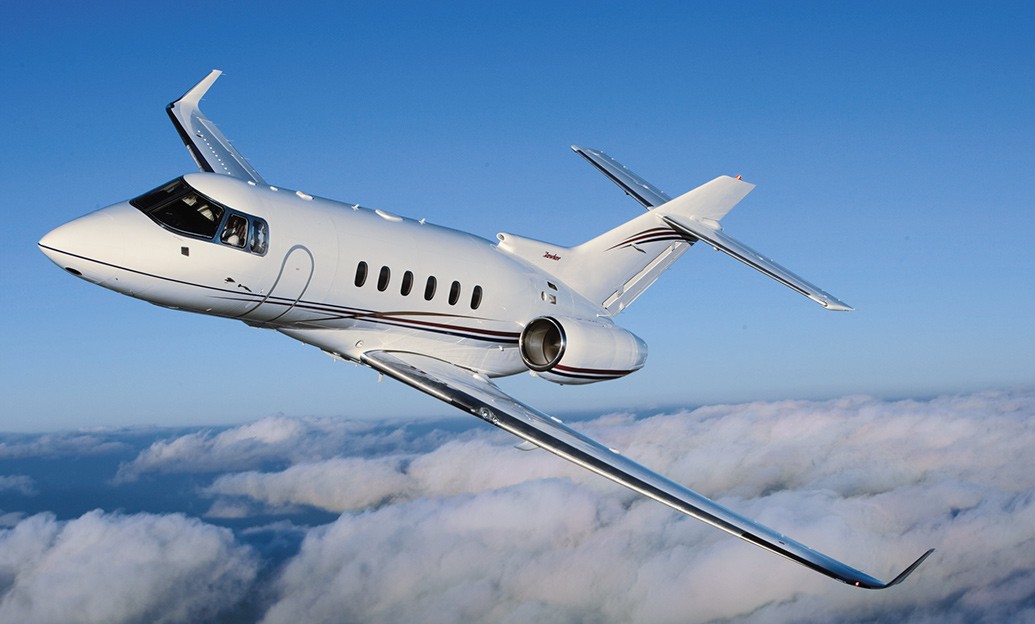
Owning a private jet in 2025 is a significant financial commitment that goes beyond the price tag of the aircraft itself.

Owning a private jet in 2026 gives you control over your schedule, privacy and access to airports that may not be served by commercial airlines. However, the purchase price is only the beginning. Crew, fuel, maintenance, insurance, storage and depreciation can add several million pounds to your total cost over the aircraft’s lifetime.
A small pre-owned aircraft may appear affordable compared with a new long-range jet, but its maintenance requirements can make the overall financial picture less attractive. You therefore need to consider your routes, passenger numbers, annual flying hours and expected ownership period before buying.
For many travellers, arranging an aircraft through Fretamento de aeronaves offers similar convenience without the financial exposure of owning the asset. Before making a decision, it is worth comparing full ownership with charter, fractional ownership and leasing.
All figures in this guide are broad estimates. Actual expenses depend on the aircraft, location, market conditions, fuel prices, financing arrangements and how you operate the jet.
Private jet purchase prices vary considerably. At the lower end, an older pre-owned light aircraft may be available for less than £1 million. At the other end of the market, a new ultra-long-range aircraft with a customised interior can cost more than £60 million.
A basic overview of the market looks like this:
| Aircraft category | Indicative purchase price | Indicative annual operating budget at 200 hours |
|---|---|---|
| Turboprop or very light aircraft | £1 million to £7 million | £500,000 to £1 million |
| Light jet | £3 million to £12 million | £700,000 to £1.4 million |
| Midsize or super-midsize jet | £8 million to £30 million | £1.2 million to £2.8 million |
| Large or ultra-long-range jet | £25 million to over £60 million | £2 million to over £5 million |
These figures combine broad fixed and variable operating estimates. They do not include financing, depreciation, corporation-specific tax liabilities or an unusually expensive maintenance event.
You can compare different Opções de aeronaves to understand how cabin size, range, runway performance and passenger capacity change the cost.
Buying a new jet gives you the latest avionics, improved fuel efficiency, a manufacturer’s warranty and the ability to choose your interior. You are also less likely to face an immediate major inspection.
The disadvantage is the initial price. You may also experience a significant fall in market value during the first few years of ownership.
A pre-owned aircraft requires less capital, but its age alone does not tell you whether it represents good value. You need to examine:
Maintenance records and inspection history
Engine and auxiliary power unit hours
Remaining time before major overhauls
Damage history
Avionics compliance
Cabin condition
Parts availability
Existing maintenance programme coverage
Any restrictions affecting where the aircraft can operate
A low purchase price can become expensive if the aircraft requires an engine overhaul, structural work or a major cabin refurbishment shortly after completion.
Before buying, you should arrange an independent pre-purchase inspection. You should also use aviation lawyers, tax advisers and technical specialists rather than relying only on information supplied by the seller.
Fixed costs continue whether the aircraft flies every week or remains in the hangar. This is one of the biggest differences between ownership and aluguer de jato privado, where you usually pay for a specific journey.
Most private jets require 2 qualified pilots. Larger aircraft may also need cabin crew, a flight operations manager or additional pilots for longer journeys.
Your annual crew budget may include:
Pilot salaries
Employer contributions and benefits
Recurrent simulator training
Medical examinations
Accommodation and positioning travel
Uniforms and equipment
Temporary contract crew
Recruitment costs
Overtime and daily allowances
Crew expenses vary by aircraft type and location. Pilots qualified to operate a complex large-cabin jet generally command higher salaries than pilots operating a smaller aircraft.
You also need sufficient crew coverage for holidays, sickness and training periods. Employing only the minimum number of people may save money initially, but it can leave the aircraft unavailable when a pilot reaches a duty-time limit or cannot work.
A suitable hangar protects your aircraft from weather, corrosion, accidental damage and security risks. Charges depend on the size of the aircraft and the airport.
Space at a busy London, Paris, New York or Dubai business aviation airport may cost substantially more than storage at a regional airfield. In some locations, suitable hangar space is limited.
Your storage budget may include:
Monthly hangar rent
Airport security charges
Aircraft towing
Ground power
Cleaning
De-icing
Parking away from the home base
Additional storage during maintenance
Outdoor parking may cost less, but it can increase exposure to weather and accelerate wear on paint, seals and other components.
You will normally need hull and liability insurance. The premium depends on the aircraft’s value, age, operating region, passenger capacity and intended use.
Insurers also consider the experience of your pilots. A newly recruited captain with limited time on type may result in additional training requirements or a higher premium.
You should not assume that insurance is a small percentage of the overall budget. A change in aircraft value, claims history or operating territory can significantly alter the renewal price.
Running a jet involves far more than arranging pilots. Someone must manage maintenance, flight planning, permits, crew records, invoices, safety procedures and regulatory requirements.
An aircraft management company can handle these responsibilities for a monthly or annual fee. The arrangement may include:
Crew recruitment and supervision
Flight scheduling
Maintenance coordination
Regulatory compliance
Fuel purchasing
Insurance administration
Budget reporting
Ground handling
Passenger services
Charter management
Management fees vary according to aircraft size and service level. However, professional management may help you control costs by negotiating fuel, maintenance and handling arrangements.
Variable costs increase as you fly more hours. Your aircraft’s fuel burn, maintenance schedule and mission profile determine how quickly these expenses rise.
Fuel is one of your largest direct operating expenses. A small jet may consume a few hundred litres per hour, while a large long-range aircraft can use considerably more.
Fuel prices can vary between airports, regions and suppliers. The price may also include delivery charges, taxes or fees imposed by the fixed-base operator.
Fuel costs have been particularly volatile during 2026. This makes it sensible to use a range rather than one fixed price when preparing your annual budget.
An efficient aircraft is not automatically the cheapest choice. A smaller jet may require a fuel stop on a long route, adding landing charges, crew time and inconvenience. The correct comparison is the total cost of completing your usual journeys.
For shorter sectors with moderate passenger numbers, turboprop aircraft can offer useful efficiency. If you want jet performance for short trips, jatos muito leves may be more appropriate.
Aircraft maintenance is controlled by approved schedules rather than your personal preference. Inspections may be triggered by flight hours, cycles or calendar dates.
Your maintenance budget needs to cover:
Scheduled inspections
Engine maintenance
Auxiliary power unit maintenance
Labour
Replacement parts
Tyres and brakes
Navigation database updates
Mandatory service bulletins
Airworthiness directives
Unscheduled repairs
Calendar-based work means an aircraft can still generate maintenance costs when it is not being flown regularly.
Older jets may have lower purchase prices but higher maintenance requirements. Parts can also become difficult to source when a model is no longer supported as actively by its manufacturer.
Some owners enrol engines and other components in hourly maintenance programmes. You pay a set amount for each flying hour, and the programme contributes towards eligible maintenance work. This can make costs more predictable, although coverage limits and exclusions need careful review.
A maintenance reserve is money set aside for future work. It is not necessarily an invoice you pay today, but it reflects the wear created every time the aircraft flies.
For example, an engine overhaul may not be due for several years. However, each flight hour moves the engine closer to that event. Ignoring this expense makes the aircraft appear cheaper to operate than it really is.
A realistic cost analysis should include reserves for:
Engine overhauls
Auxiliary power unit work
Landing gear inspections
Major airframe checks
Paintwork
Cabin refurbishment
Avionics replacement
These reserves also matter when you sell. A buyer may reduce their offer if major work is approaching.
Each trip may involve fees beyond fuel and maintenance. These can include landing charges, passenger facility costs, air navigation fees, customs services, ground handling and overnight parking.
The amount depends on the airport, aircraft weight and time of arrival. Major business aviation airports can be expensive during busy periods.
Some airports also have operating restrictions, curfews or limited parking. You may need to use an alternative airport and arrange ground transport, which changes the overall journey cost.
Standard refreshments may represent a small expense, but bespoke catering can become costly. Fresh meals, premium drinks, special dietary requirements and last-minute orders may all add to the bill.
Your passenger-service costs could also include:
Chauffeur transfers
Hotel arrangements
Cabin cleaning
Laundry
Newspapers and entertainment
Satellite Wi-Fi
Pet documentation
Security personnel
These costs may not be central to the ownership decision, but they need to be included if you want an honest annual figure.
The wrong aircraft can make ownership needlessly expensive. Buying for the occasional longest journey often leaves you operating an oversized jet on routine trips.
A jato leve may be enough if most of your flights are short European sectors. A jato médio can provide more cabin space and range without moving into the full cost structure of a large aircraft.
If you regularly fly longer routes with several passengers, super-midsize aircraft can offer a practical middle ground.
A jato privado grande gives you greater space and long-distance capability, while ultra-long-range jets are designed for demanding intercontinental missions.
You should base your choice on the journeys you make most often, not the most impressive trip the aircraft could theoretically complete.
Depreciation is easy to overlook because it does not arrive as a monthly invoice. However, it may be one of your largest ownership costs.
Aircraft values are affected by:
Age
Total hours and cycles
Maintenance condition
Market demand
Engine programme status
Cabin configuration
Avionics
Accident or damage history
Manufacturer support
Availability of newer models
A new aircraft may lose a meaningful part of its value during the early years. Pre-owned aircraft can depreciate more slowly, but values can still fall sharply when demand changes or major maintenance becomes due.
Maintaining complete records is essential. Missing documents can reduce the aircraft’s value even when the jet itself is in good condition.
If you finance the purchase, interest and lender fees need to be added to your annual ownership budget. The lender may also impose requirements concerning insurance, maintenance programmes, aircraft registration and where the jet can operate.
Financing a £20 million aircraft creates a very different cash-flow requirement from buying it outright. However, using your own funds also carries an opportunity cost because that capital cannot be invested elsewhere.
You should therefore compare the aircraft’s full economic cost rather than focusing only on loan repayments.
Aircraft taxation depends on where you are based, where the jet is registered, how it is used and the legal entity that owns it.
For UK owners, VAT, importation, business use and benefit-in-kind considerations may be relevant. You should obtain specialist advice before deciding where to register, import or base the aircraft.
In the US, current rules may allow 100% additional first-year depreciation for certain qualifying business property acquired after 19 January 2025. This does not mean every aircraft purchase automatically qualifies. Personal use, business-use percentages, placed-in-service requirements and record keeping all matter.
You should never buy an aircraft solely because of a potential tax deduction. Tax rules can change, and the deduction does not remove the aircraft’s operating costs or depreciation in the resale market.
There is no universal number of hours at which ownership becomes cheaper. However, full ownership is usually difficult to justify financially when you only fly occasionally.
Ownership may begin to look more practical when you fly around 200 to 300 hours each year, require consistent access to a particular aircraft and value complete control. Even then, the result depends on your routes and whether the aircraft spends significant time repositioning without passengers.
Charter allows you to select a different aircraft for each trip. You might use a light jet for a short domestic journey and a large-cabin aircraft for an intercontinental flight.
Reviewing a transparent private jet charter cost guide can help you compare pay-as-you-fly pricing with the fixed financial commitment of ownership.
For companies that mainly need aircraft for meetings, site visits and roadshows, a tailored aluguer de jato executivo arrangement may be simpler than operating an internal flight department.
You may also find opportunities through empty-leg flights, although these depend on an aircraft’s existing schedule and are less suitable when your travel dates are fixed.
Full ownership is not the only way to secure regular private aviation access.
Fractional ownership allows you to buy a share in an aircraft or fleet. You normally pay an acquisition cost, a monthly management fee and an occupied hourly rate. This reduces your capital requirement, but availability and contractual restrictions need to be reviewed.
Leasing can provide access without purchasing the aircraft. The financial treatment, maintenance responsibilities and return conditions depend on the lease.
Charter gives you the greatest flexibility because you do not need to commit to one aircraft. It can also accommodate changing passenger numbers. For larger parties, a group air charter may be more practical than using several smaller aircraft.
You cannot remove the main expenses of ownership, but careful planning can reduce waste.
Choose an aircraft based on your regular routes
Maintain complete and accurate records
Negotiate fuel arrangements where possible
Use maintenance programmes carefully
Review management invoices regularly
Plan maintenance before major travel periods
Avoid unnecessary empty positioning flights
Reassess insurance at each renewal
Monitor the aircraft’s market value
Consider permitted third-party charter use
Build a contingency reserve for unexpected repairs
Compare annual ownership costs with equivalent charter quotes
Placing the aircraft on a charter certificate may generate revenue when you are not using it. However, this can increase flight hours, cycles, maintenance and cabin wear. It may also affect availability, tax treatment and insurance.
Charter revenue should therefore be treated as an offset against costs, not guaranteed profit.
Ownership may suit you when you fly frequently, need short-notice access and repeatedly use an aircraft with similar capabilities. It can also make sense when privacy, cabin consistency and complete control have substantial personal or commercial value.
It may be less suitable when your travel requirements change throughout the year. One aircraft will rarely be ideal for every mission.
Before buying, prepare a 5-year financial forecast covering:
Purchase and completion costs
Financing
Fixed annual expenses
Variable flight costs
Maintenance reserves
Major inspections
Upgrades and refurbishment
Tax
Depreciation
Expected resale value
Contingency funding
Run the forecast using conservative assumptions. Fuel, maintenance and staffing costs may rise, while resale values may fall.
The cost of owning a private jet in 2026 extends far beyond the advertised purchase price. Even a smaller aircraft can require a substantial annual budget, while a large long-range jet may cost several million pounds each year to operate.
Ownership gives you control, consistency and immediate access, but it also places maintenance, staffing, compliance and financial risk in your hands.
Before committing, compare ownership against chartering, fractional ownership and leasing. The correct choice is not necessarily the one with the lowest hourly calculation. It is the option that supports your real travel requirements without tying up more capital and management time than necessary.
Obtenha um orçamento em tempo real instantaneamente, clicando no botão ‘Obter orçamento em tempo real’ e preenchendo o formulário. Um dos nossos representantes entrará em contacto consigo para discutir as suas necessidades em matéria de aircraft charter.
Os viajantes de jatos privados de luxo beneficiam de ferramentas digitais que simplificam o planeamento e proporcionam um serviço personalizado. A utilização de aplicações inteligentes e plataformas centralizadas ajuda a proporcionar uma experiência fluida. Estas ferramentas combinam a conveniência com opções à medida, tornando as viagens mais eficientes e agradáveis.
As aplicações móveis criadas para iOS e Android permitem aos viajantes gerir voos, preferências e serviços a partir dos seus telemóveis. Estas aplicações incluem frequentemente funcionalidades como atualizações em tempo real, alterações de itinerário e recomendações personalizadas com base nos dados do utilizador.
As Progressive Web Apps (PWAs) melhoram a acessibilidade ao funcionarem em qualquer dispositivo sem necessidade de instalação. Proporcionam tempos de carregamento rápidos e funções offline, sendo ideais para viajantes que nem sempre têm uma internet forte. Tanto as aplicações móveis nativas como as PWAs melhoram o envolvimento ao oferecer interfaces fáceis de utilizar e opções personalizadas, promovendo uma melhor tomada de decisão durante as viagens.
Os sistemas digitais centralizados recolhem e organizam toda a informação de viagem num único local. Estas plataformas oferecem aos viajantes e operadores uma visão geral das reservas, preferências, programas de fidelização e pedidos especiais.
Os sítios Web ligados a estes sistemas proporcionam um acesso fácil à gestão de contas e a painéis de informação. Ajudam a reduzir os erros através da sincronização de múltiplos pontos de dados, garantindo que cada detalhe vai ao encontro das necessidades do viajante. Os sistemas centralizados também melhoram a comunicação entre os prestadores de serviços, criando uma experiência integrada desde a reserva até à chegada.
A integração de aplicações móveis e sítios Web com plataformas de reservas e serviços simplifica todo o processo de viagens de luxo. Isto inclui a sincronização com voos privados em jato, serviços de catering, transporte terrestre e comodidades especiais.
Tal integração automatiza tarefas rotineiras como a seleção de lugares e preferências de refeições, poupando tempo aos viajantes. Permite também atualizações e alterações fáceis através de uma única interface, o que melhora o serviço ao cliente. Ao ligar estas plataformas, as empresas proporcionam uma experiência de viagem mais personalizada e ágil que se adapta ao horário e às preferências de cada viajante.
A IA impulsiona as receitas e melhora as finanças através do aperfeiçoamento das estratégias de preços. Otimiza os fluxos de trabalho operacionais e a logística. Também ajuda a prever a procura dos clientes e a alocar recursos de forma inteligente.
A IA utiliza dados como tendências de voo, comportamento do cliente e preços da concorrência para definir preços dinâmicos. Isto permite que as empresas de jatos privados ajustem as tarifas em tempo real para corresponder à procura e maximizar os ganhos.
Os preços dinâmicos ajudam a captar mais receitas durante os períodos de pico e a atrair clientes durante a baixa procura com melhores ofertas. Reduzem a definição manual de preços, poupando tempo e eliminando erros.
Ao analisar os padrões de reservas e as preferências dos clientes, a IA pode identificar oportunidades de venda cruzada ou de aumento de gama, tais como oferecer serviços prémios ou voos mais longos. Isto aumenta a receita média por cliente sem esforço adicional.
A IA automatiza muitas tarefas de rotina nas operações de jatos privados. Agenda tripulações, gere alertas de manutenção e coordena serviços de assistência em terra eficientemente.
Ao integrar dados meteorológicos, regulamentos de voo e opções de rota, a IA ajuda a otimizar as trajetórias de voo e a minimizar os atrasos. Isto reduz os custos de combustível e melhora o desempenho da pontualidade.
A automação também reduz o erro humano nos fluxos de trabalho. O pessoal foca-se em tarefas de alto valor enquanto a IA trata da logística. Isto melhora a eficiência operacional e a satisfação do cliente, tornando os processos mais fluidos.
A IA prevê a procura futura de voos utilizando dados históricos, tendências de reservas e sinais de mercado. Previsões precisas ajudam as empresas a planear melhor a utilização da frota e os turnos do pessoal.
A atribuição inteligente de recursos significa que os jatos e as tripulações são afetados onde são mais necessários. Isto reduz o tempo de inatividade e corta despesas desnecessárias.
A previsão também apoia a área financeira, ajudando a estimar receitas futuras e a criar melhores orçamentos. Dá às empresas uma visão mais clara de potenciais crescimentos ou abrandamentos.
Encontra mais detalhes sobre o impacto da IA na eficiência do negócio de jatos privados no artigo sobre como a IA está a transformar o processo de reserva de jatos privados.
As viagens em jato privado estão a avançar com maior foco em opções ecológicas, na retenção de clientes e em novos métodos de transporte. Estas áreas moldam a forma como a aviação privada evolui para responder às exigências modernas de eficiência, exclusividade e sustentabilidade.
As operadoras de jatos particulares estão a investir em aeronaves ecológicas que melhoram a eficiência no consumo de combustível. Alguns jatos conseguem uma poupança de combustível de até 20%, reduzindo significativamente as emissões em comparação com os modelos mais antigos.
Além disso, os programas neutros em carbono estão a tornar-se mais comuns. Estes programas compensam as emissões através de investimentos em energias renováveis ou projetos de reflorestação.
Os fabricantes e operadores também exploram combustíveis sustentáveis e melhores rotas de voo para reduzir o impacto ambiental. Este esforço ajuda a diminuir a pegada de carbono dos voos privados sem perder a conveniência ou o luxo que os passageiros esperam.
Os programas de fidelidade na aviação privada focam-se em mais do que apenas nas milhas voadas. Oferecem benefícios exclusivos como acesso antecipado a aeronaves premium, serviços personalizados e agendamento prioritário.
Estes programas recompensam os passageiros frequentes com upgrades, experiências personalizadas e, por vezes, acesso a terminais privados nos aeroportos. O objetivo é construir relações a longo prazo, proporcionando uma conveniência e um valor inigualáveis.
Ao fomentar a lealdade, os operadores impulsionam a repetição de negócios e mantêm fortes fontes de receita. Esta abordagem personalizada melhora a satisfação do cliente e consolida a confiança do cliente.
Novos modelos de mobilidade aérea incluem aeronaves elétricas de descolagem e aterragem vertical (eVTOL) e outros veículos inovadores concebidos para servir curtas distâncias de forma eficiente.
Estas tecnologias prometem integrar-se com as viagens tradicionais em jato privado, oferecendo ligações rápidas entre os centros das cidades e os aeroportos. Isto ajuda a reduzir o tempo de viagem e o congestionamento nos aeroportos.
As companhia aéreas e os operadores privados estão a explorar parcerias com *startups* para incorporar estes veículos na sua oferta. O futuro dos voos privados poderá combinar os jatos tradicionais com estas novas opções de mobilidade para uma maior flexibilidade e acessibilidade.
Escolher empresa aircraft charter para viagens executivas de primeira classe. Descubra serviços de fretamento, explore aluguer de jato privado, organizar viagem em jato privado de grupo, ou simplificar a logística com fretamento de aviões de carga.
Guardar com Voos charter da voo de reposicionamento vazio para viagem de ida. Encontre ofertas, explore opções de destino, livro Serviços táxi aéreo, organizar aluguer de helicópteros privados, ou depender de evacuação médica ambulância aérea soluções.

Voar para o Havai em jato privado proporciona uma experiência de viagem inigualável, combinando conforto, privacidade e flexibilidade. Quer se dirija a Honolulu, Maui ou à Grande Ilha, um jato privado permite-lhe evitar longas filas de segurança, terminais cheios e horários inconvenientes. Em vez disso, escolhe a sua hora de partida, o aeroporto e as comodidades a bordo.
Desde cabines espaçosas e catering personalizado a vistas deslumbrantes sobre o Pacífico, cada parte da viagem é adaptada às suas necessidades. Os voos privados também oferecem acesso direto a aeroportos havaianos mais pequenos, aproximando-o mais perto do seu destino final.
Quer estejas a planear uma escapadela romântica, uma férias em família ou um retiro de luxo, voar em jato privado garante que chega ao paraíso relaxado e revigorado. Com Aircraft Charter, a experiência não começa quando aterriza — começa no momento em que embarca. Descubra uma forma mais inteligente e luxuosa de viajar para o Havai de acordo com a sua própria agenda.
